
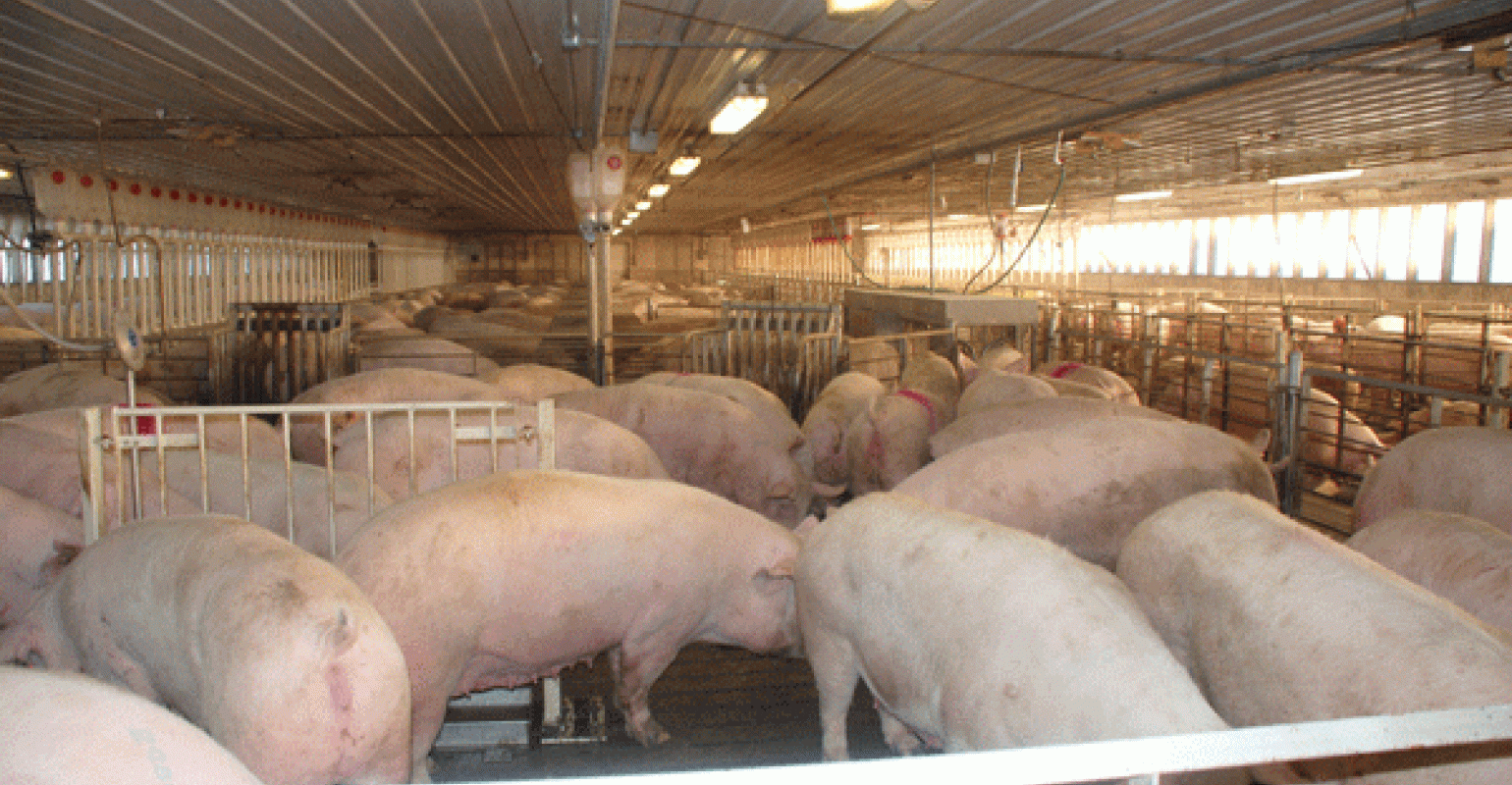
Post-weaning Diarrhea
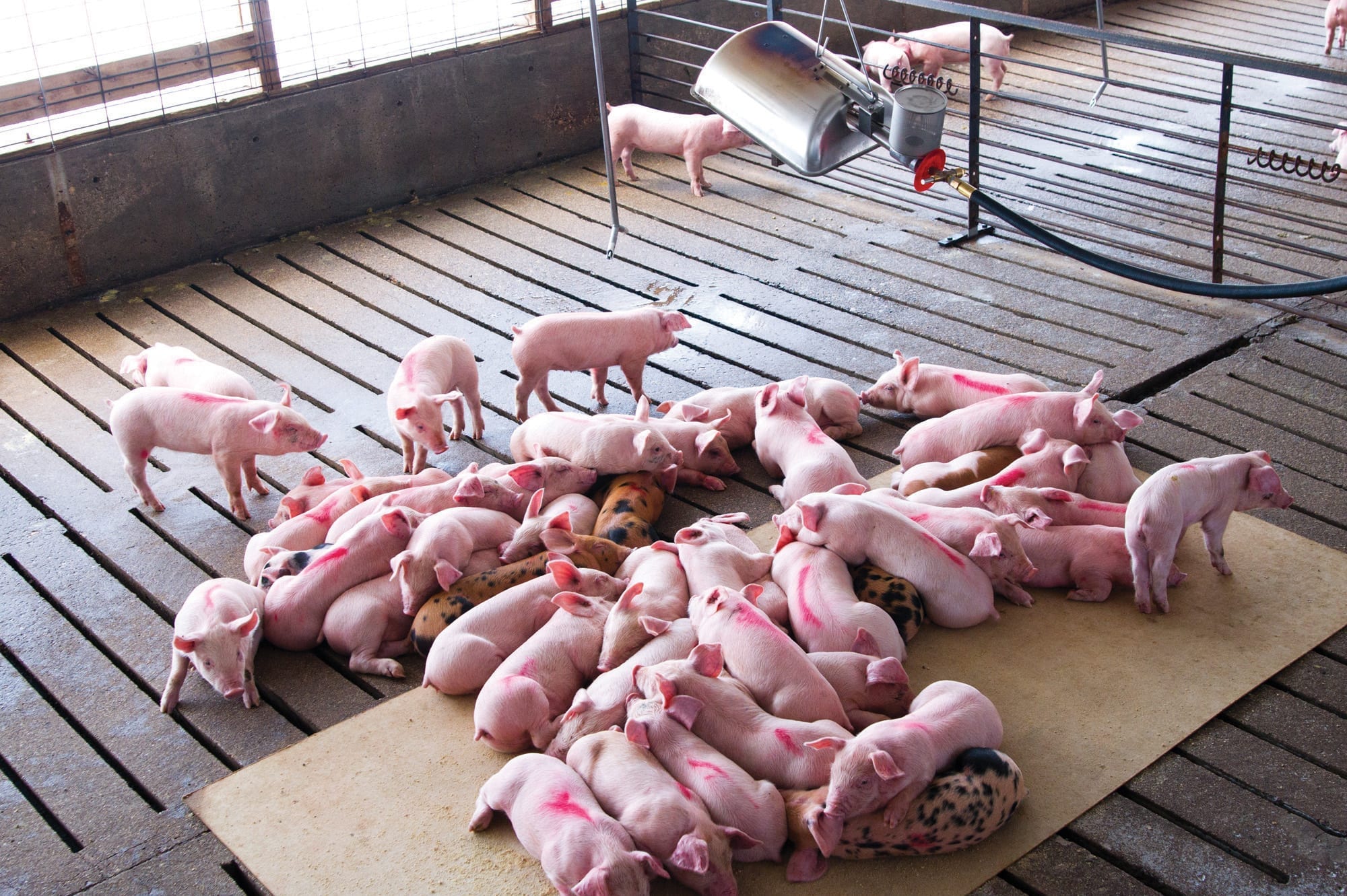 PWD affects pigs in the first two weeks after weaning, commonly characterized by diarrhea, and followed by dehydration, sudden death, and growth delays.
Stress factors, including removal from the sow, dietary changes, and new environments and pig groupings, may decrease immune function and lead to intestinal gut dysfunction. PWD is associated with e. coli in the intestine. Historically, it was treated with an antibiotic but due to its use in humans and proof of emerging resistance, the use has been limited.
Some case studies have found Pure hemolytic E. coli (untypable) cultured in affected pigs but most cases are due to K88 and F18 strains of Escherichia coli.. The organism was resistant to all suggested antibiotics. The concern is that the F18 organism is not easily destroyed and can be tracked around within a system.
Within ten days of weaning, affected pigs may pass greyish, brownish, watery diarrhea with no traces of blood. It is usually transient and resolves in a few days. Death from septicemia or dehydration are possible, though rare, and seen mostly in adverse conditions. Chronic cases (last long than a few days) may result in stunted growth over the pig’s life span. PWD affects 20-25% of weaned pigs, and mortality is less than 10% unless other complications occur.
Treatment & Prevention
Medication – amoxicillin and the like – can be given via feed and water and should come at the recommendation of your veterinarian. Otherwise, keep pigs warm, offer easy, ample water, clean and disinfect the pens regularly so limit bacterial complications. Also avoid changing feed during weaning. Feed access and formulation should be precisely managed to meet the nutritional needs of the pigs and use totally digestible feeds where possible to decrease gut irritation. Citric acid can be added to the water to be improve gut flora.
There are now several genetic lines of pigs that have E. coli resistance; however, biosecurity and sanitation are keys to controlling risk factors. Train workers in proper biosecurity practices. Change clothes for each house. Use foot baths or protective footwear. Wash and disinfect equipment between houses. Wash and disinfected houses between herds.



