
Male management for best performance
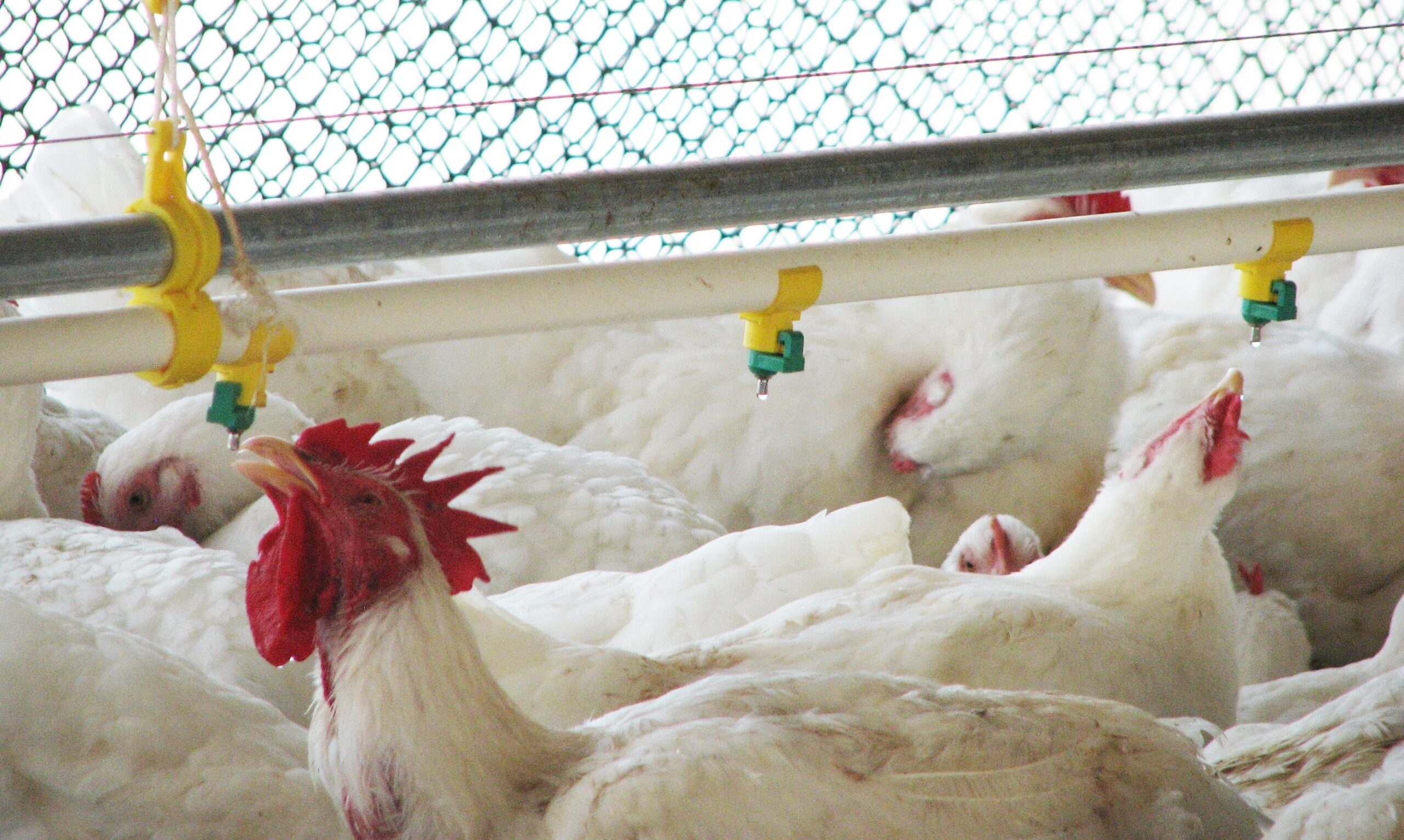 Male management starts at placement of chicks. Floor temps need to be in the area of 98 degrees with chicks having access to heat, food, and plenty of fresh water. The caretaker must continually refresh food supply and water supply and maintain heat and ventilation, so birds are comfortable. House temperature should be so that birds stand alone and are not sitting huddled together.
Males should be allowed to grow so that upon moving the mature birds to the breeding house they are ready for reproduction and so that males are at a weight of 25-45% more than the females. Males and females should mature sexually at close to the same time, with the males only slightly ahead of females.
Fleshing all breeding stock is important. Males should have a firm and fit breast to the touch. Not so much that the breast is too muscular or spongy or so thin so as to appear in a way that muscle is not well surrounding the keel bone on the frame of the bird.
Feeding males is critical. Since males and females are in the same house and both eat during the same time period, keeping males and females separate is critical in caring for both. Females should be fed with a guard or grill to prevent males from accessing and stealing the females’ food. A grill that is 1 5/8 inches wide and 2 ¼ in height +/- will prevent a male from being able to get to the female diet. Each integrator may require these measures to be different depending on genetics. To prevent females from having access to male feed, increase the height of the pan from the floor. Pan height is crucial and should be measured and adjusted after watching male and female feeding behavior during early morning hours. Pans can easily become tilted to one side if not adjusted properly. When this ‘pan tilting’ happens, the affect is feeder space or access is cut in half. Pans that are too low allow for too easy access to females and will reduce male feed availability.
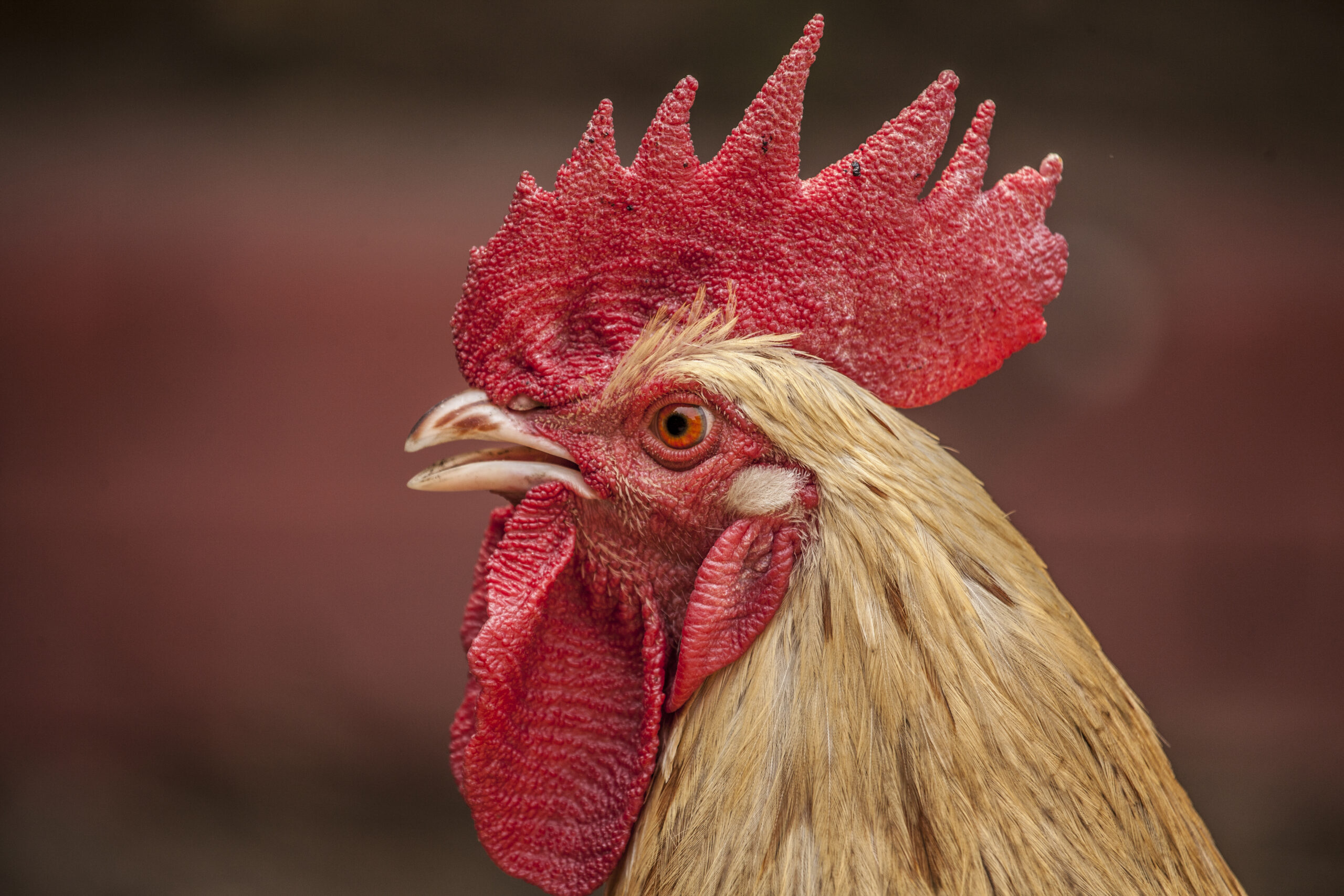 Male numbers within a house should be counted and calculated for ratio management using only good males that are healthy and active. In my 40 years in the business, I’ve seen males at ratios that varied from 4% to 12% and those ratios worked well for those farms. Ideally though, the ratio will be 7.5% to 10%, depending on breed and bird health. If the ratio is too high there’s risk of more male-to-male aggression and mating interference. If the ratio is too low, there will be more male-to-female aggression and unreceptive hens. A ratio below 7% often leads to reduced hatchability as not enough eggs are being fertilized.
Male management for best performance is only a part of a very involved process; it is artistic in that it requires balance of farm and house conditions and the wellbeing of birds both male and female. It’s a moving target that requires careful, detailed management.



