
Winter is never easy, and from the look of it this week, this winter season will be no different. Bitter cold temperatures make it hard to keep positive, especially when you’re watching your fuel costs go up and up. Here’s some tips to keep you warm at night.
Chickens can handle their own when it comes to regulating their body temperature, usually by eating more. The catch here is that if they have to regulate their body temperature, the energy produced by consumption goes to staying warm, rather than to growing. Provide extra feed so they can help themselves if they need to. Maintain the environment so they don’t have to.
Ventilation…it’s an ongoing challenge. Too much moisture leads to ammonia problems and health concerns and too much air flow creates a draft that chills the birds and wastes heat. Minimum ventilation should be enough to find a balance. Shoot for a static pressure of .10 so that the fresh air coming through the inlets moves along the ceiling for as long as possible and mixes with the hot air up there. The fans will remove the ammonia-laden stale air.
Put that ceiling heat to work by using stir fans. They can help reduce temperature stratification and fuel usage.
Make sure you are staying on top of house tightness. Do the tunnel curtains close properly? Do inlets close completely? Is there any thin or missing insulation in the walls or attic?
Litter should be deep enough – 3 to 4 inches – that it acts as an insulator and protects the birds from the chill of the ground.
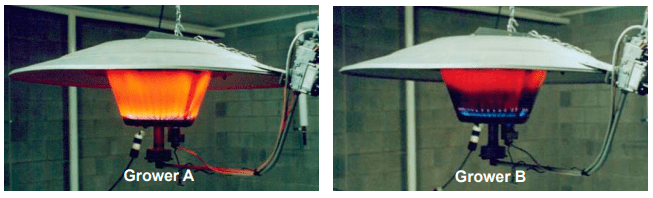 Brooders and heaters should be clean so that they burn efficiently. Especially if you have chicks, who are going to be dependent on that heat source to be comfortable and healthy until their big bird feathers grow in.
If you have a backup generator, which you should, make sure it’s in good working condition and the fuel is topped off. Snow and strong winds can often knock out power (even down south) and you don’t want to be left with a barn full of chilly chickens.
Make sure your alarm system is working properly and calls out if anything goes wrong. Weekly tests are always a good idea, especially in extreme weather.
Backup thermostats on heaters and fans should be checked to ensure the override setpoints are right for your age of birds and the time of year. Sometimes power surges or brownouts don’t knock out power completely, but they can cause havoc with barn controllers. Having manual overrides is inexpensive additional protection.



