
How Proper Humidity Control Helps You Raise Healthy Poultry
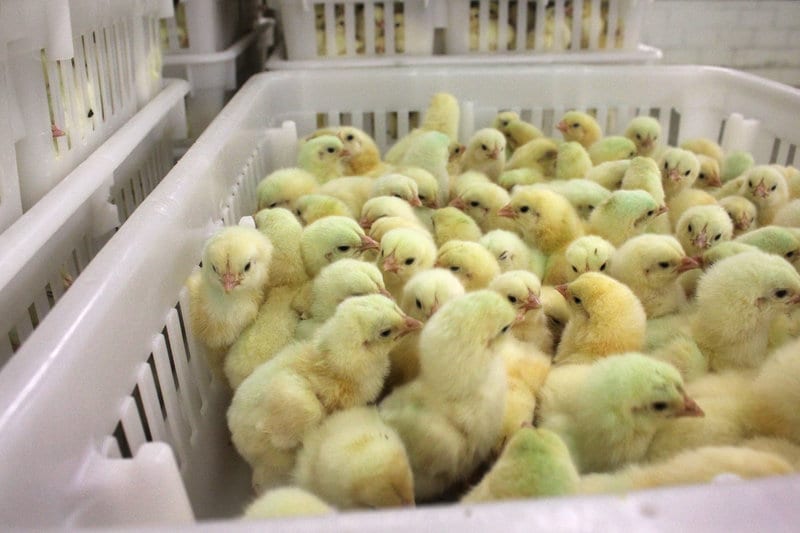
Raising and looking after poultry is a strenuous process that demands patience and dedication, regardless of whether you’re bringing up broilers or not. However, with the help of incubators, we can at least get embryos and hatchlings off to a good start. They have precise environmental needs that must be met in order to ensure a safe, healthy upbringing. The pre- and post-incubation processes are equally important; even the slightest deviation in terms of air moisture content, otherwise known as relative humidity (RH), can introduce problems such as dehydration and ineffective airborne infection control.
Today, we will spotlight critical reasons why proper humidity control, utilizing equipment such as evaporative coolers and industrial humidifiers, is conducive to both optimal incubation and a healthy life beyond the egg.
Optimal Growth
Because artificially manufactured incubators cannot completely mimic natural conditions, it is essential to maintain between 50 to 60 percent relative humidity once the pre-incubation process has completed. These are ideal conditions for growing the healthiest possible embryos, achieved through optimal lung development once the internal pipping process is complete. The internal air space, developed to a healthy size, ensures normal cognitive and motor behavior thanks to a sufficient supply of oxygen.
What About Dehydration?
In conditions with relative humidity that is too low, eggs housed in incubators are even more susceptible to dehydrating and drying out. Considering that the pre-incubation storage process can last for well over a week, this is a risk that poultry raisers cannot afford to take. 70 to 80 percent RH for the first seven days, followed by 80 to 88 percent RH for each pre-incubation day afterwards, must be maintained to protect the hydration and health of the embryos. Otherwise, they may not make it through to the incubation process itself. Avoiding dry conditions also helps to protect employees and reduce absenteeism, among other benefits.
Avoiding Complications
A red flag to watch out for in newly hatched chicks is unhealed or wet navels, which indicates a suboptimal incubation and development process. Such conditions often lead to infections and subsequent mortalities. Other complications include red, swollen hocks that act as a warning sign of leg weakness. Regulating your indoor air moisture content with an industrial humidifier is critical in this regard, as maintaining between 50 to 60 percent RH can largely spare embryos from developing these problems.
Airborne Infection Control and Dust Suppression
Chicks, both during the embryo stage and once hatched, are just as susceptible to health complications stemming from the environment as humans. Dust suppression through optimal humidification is a great help here, as it enables for particles and aerosols that may contain harmful bacteria to settle more quickly, lowering the chances of infection. Another benefit is that the shell won’t stick to their down, keeping hatchlings cleaner and capable of articulating their limbs. At the same time, the indoor temperature will be easier to regulate by maintaining set relative humidity levels. Again, 50 to 60 percent RH is ideal at this stage, particularly when considering the weakness of hatchlings and their susceptibility to airborne infections.
Let’s recap the optimal ranges for each stage:
- First seven days of pre-incubation: 70 to 80 percent RH
- Each day of pre-incubation following the first seven: 80 to 88 percent RH
- Incubation stage and beyond: 50 to 60 percent RH
To summarize, incubating and raising healthy poultry demands a proper humidity control solution. Doing so is critical to optimizing your airborne infection control, dust suppression, embryo growth, oxygen delivery, cognitive development, and much more, all while bypassing complications that can stunt growth and/or cause mortalities. Plus, investing in a low-cost, high-efficiency solution can bring about substantial cost savings in the long run in addition to far fewer headaches.
In short, regulating your indoor air quality is a win-win scenario for everyone!
Condair is a leading manufacturer of commercial and industrial humidifiers, evaporative coolers and other indoor environmental control systems. With a history stretching back to the middle of the twentieth century, the team drives forward new innovations while providing custom-tailored solutions to suit a variety of business applications, including within the agriculture industry. For further details, use the Condair product selector tool to narrow your search or reach out today to discuss your needs.



