
Seasonal infertility – defined in terms of either embryo loss or abortion – is a problem that many producers face every year. But why is this a problem, and how do we limit it?
In the early days of hog production, it was normal for sows to only produce one litter per year, farrowing in the spring, so there is a built-in tendency for sows to not maintain a pregnancy during summer and autumn. It’s presumed that seasonal infertility is still a common problem because of environmental factors such as lighting and heat stress, but to understand this, we first must understand a bit about reproduction in general.
Pregnancy is maintained by hormonal changes initiated by the implantation of embryos at around day 14. These changes allow the corpus luteum (the body from which the egg is released) in the ovary to produce progesterone. The presence of the corpus luteum is necessary to maintain pregnancy through the entire gestation period. A loss or failure of the corpus luteum at any point results in farrowing, premature farrowing, abortion, or embryo loss.
So how can producers offset the effects of seasonal infertility?
Often, environmental factors cause the corpus luteum to disappear. Things like room temperature, lighting length and intensity, and feed intake can affect fertility. It’s important that producers keep annual records so that the environmental effects can be monitored and adjusted before infertility becomes a problem.
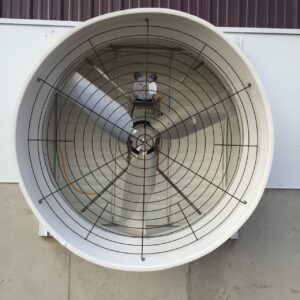 First, heat stressed sows do not perform well, even if they have maintained pregnancy. Maintaining the temperature of the living space in advance of seasonal changes will help reduce the occurrence of abortion or embryo loss. Additionally, a cooler room temperature results in more feed intake, so the litter will be healthier as well. Use cool cells, fogging, or sprinklers in conjunction with proper ventilation to keep sows healthy and happy.
Sustaining viable pregnancy requires constant daylight, usually between 12-16 hours each day. Poor lighting or dirty lamps can affect the intensity of the light in the barn, and high walls or other obstacles can create shadows. To ensure the lighting is adequate, try reading a newspaper in the darkest spots of the building at sow eye level. Can’t do it? The barn is too dark. Try cleaning the lamps, adding more lights, or painting walls white to reflect more light.
Feed intake is critical to a healthy pregnancy. If feed consumption drops, sows may enter a “negative energy state” where they are using body tissue to maintain energy equilibrium. Prolonged negative energy will result in abortion. This negative energy state is often a result of heat stress, so we reiterate the importance of keeping the barn temperatures comfortable for the sows.
We’re always happy to offer ventilation advice! Contact us with any questions you might have about improving your ventilation program, or check out our fan options..



