
 The reduction in antibiotic use in poultry farming requires a reduction in bacteria and pathogens that birds are exposed to. One way to do this is to tighten biosecurity. Another method is to improve litter management.
Modern poultry farming often uses bedding for repetitive flocks. Chickens shed bacteria in their excrement, exposing subsequent flocks to more pathogens. Additionally, ammonia builds up in the house and can cause severe respiratory problems. These problems further reduce a chicken’s ability to protect itself from viruses and bacteria.
To adequately treat litter, a combination of amendments, acidifiers, and windrowing can be used.
Litter amendments only have a temporary effect on ammonia control. Therefore, they should not be solely relied on.
Acidifiers turn ammonia into ammonium salt. Use caution when using acidifiers as they are corrosive. Follow manufacturer directions carefully and apply the treatment evenly across the floor. Excess moisture in the litter leads to higher bacterial population – the ideal moisture level is 20-25%. Removing caked litter – which holds the moist moisture and bacteria – will control the microbial load. Tilling can help break up caked litter, but overworked bedding has too small a particle size to hold much moisture.
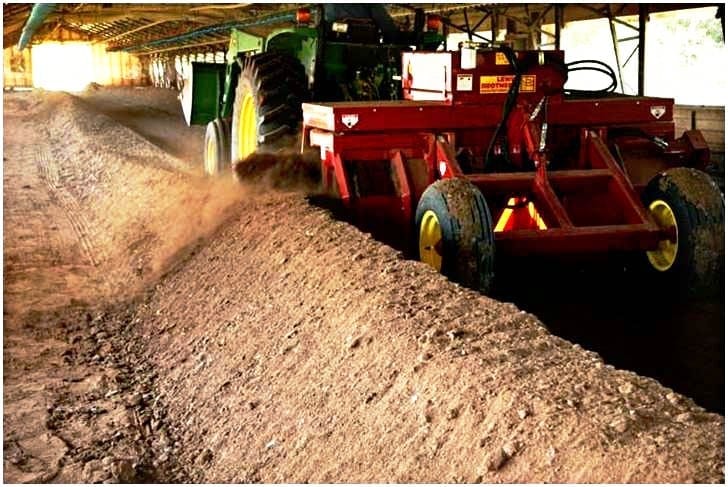
Windrowing will reduce the microbial load of the litter between flocks. If a steady 130F is reached, the heat will kill pathogens in the litter. The hottest point is the center of the pile, so the litter must be turned in order to heat evenly. The temperature is crucial, as anything less will simply incubate bacteria. Allow 12-14 days of downtime for effective composting.
To learn more, read the original article by Watt Ag Net.



