
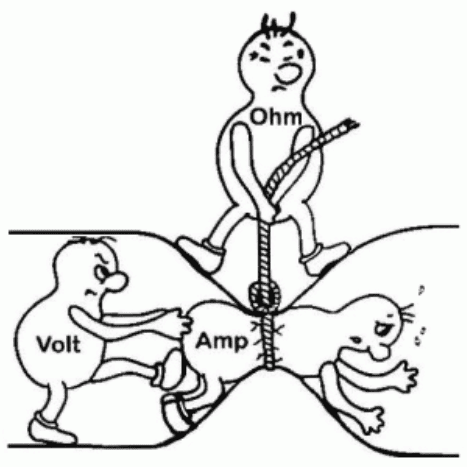
 We don’t often think much about how electricity on the farm might affect the livestock. Stray voltage, however, can challenge performance.
Stray voltage is small voltage, typically less than 10 volts, measure between two points that can contacted simultaneously by an animal. The voltage itself indicates a problem, but the current flowing through the animal when it comes into contact with the voltage causes the problems.
There are some behavioral indicators that can alert farmers to a stray voltage problem. If water quality, air quality, and health all seem to be acceptable, but birds appear nervous, trembling, or hyperexcitable, feed or water intake drops, egg production declines, or there’s an increase in mortality, there may be a stray voltage problem causing the flock ongoing discomfort.
Often if the stray voltage is found and remedied soon enough, birds can recover, and productivity returns to normal. However, if left too long, there may be lasting effects on their behavior resulting in poor performance.
Stray voltage can be found in many places on the farm, such as a malfunctioning well pump, exhaust fan motor failure, shocker wires, incorrect wiring, overloaded conductors or neutrals, or utility problems. Voltage is most notable when in contact with highly conductive services, such as metal cage systems, or watering lines. Additionally, electrolytes in the water system increase the conductivity three-fold, making it imperative the water line is shock-free.
If you suspect stray voltage might be a problem on your farm, do a thorough check of equipment. You’ll need a voltmeter or multimeter. Survey the farm for the highest animal contact voltage. Once found, turn off individual breakers one at a time and note voltage results. If you’ve turned off the entire barn or facility and the voltage remains, it may be time to call your utility company. It’s important to note that there may be multiple points of stray voltage. While surveying the farm, any voltage over 2.0 should be investigated.
To remedy the stray voltage, ensure equipment is properly insulated and grounded. If the stray voltage stems from a utility problem, or the source cannot be found, your utility company can you help do a thorough analysis on the farm, and add further measures to reduce the stray voltage.



