
Swine Respiratory Disease (SRD)
How to recognize the signs and symptoms
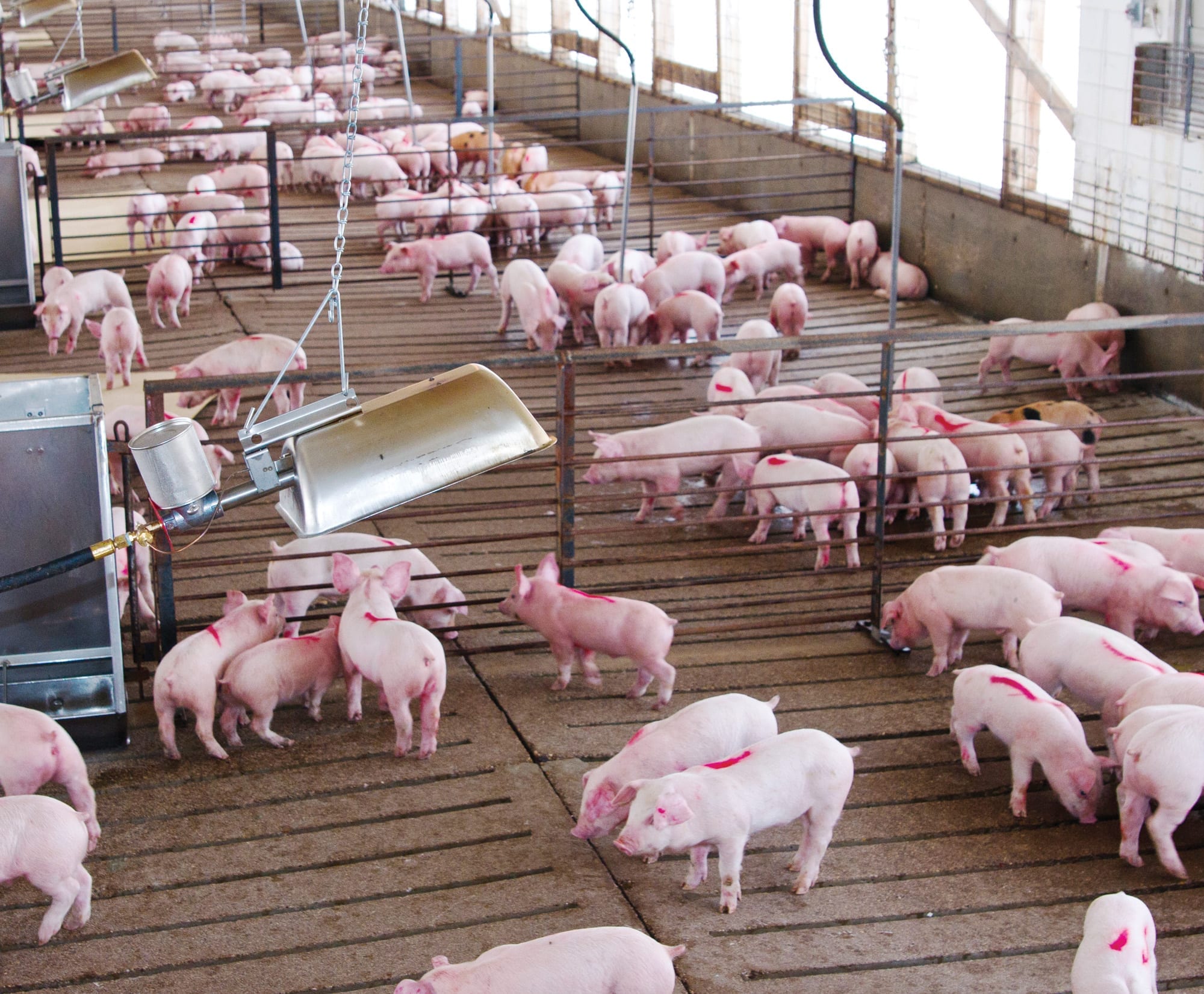
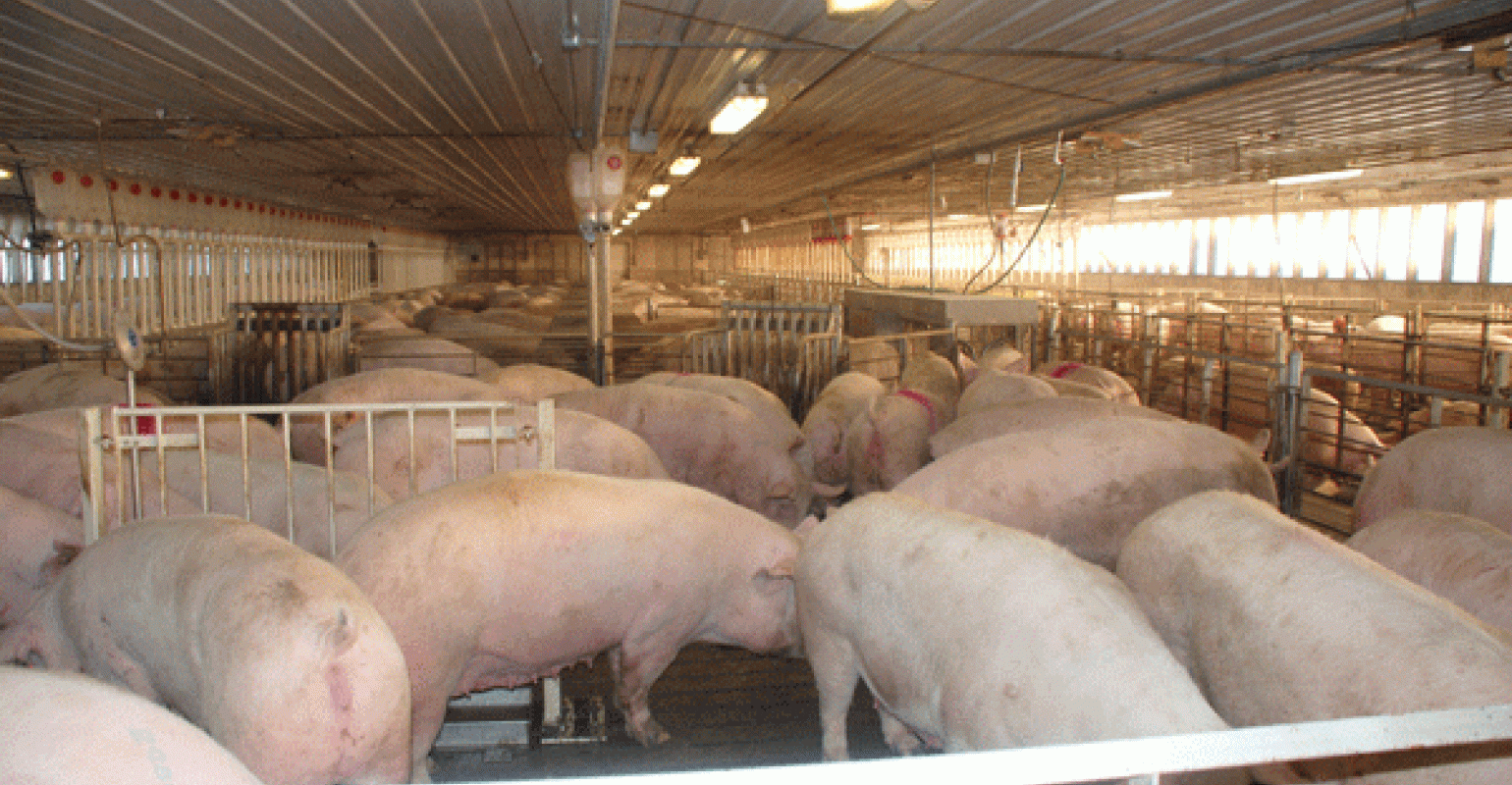 Swine respiratory diseases are the largest cause of swine casualties in the United States. Often, multiple strands of bacteria are involved which lead to an increased length and harshness. Multiple strands also can cause infected pigs to go untreated or mistreated due to the multiple symptoms of each strand. There are many things you can do to help prevent or minimize the risk of infection. Controlling factors within the environment such as preventing overcrowding, maintaining low ammonia levels, and having a constant temperature are all things you can do to help prevent disease. Below are listed some of the most common respiratory diseases among swine.
Streptococcus Suis:
Signs and Symptoms often include:
- Loss of Appetite
- High fever
- Lameness
- Red blotches on skin
- Paralysis
- Blindness
- Deafness
Transmission:
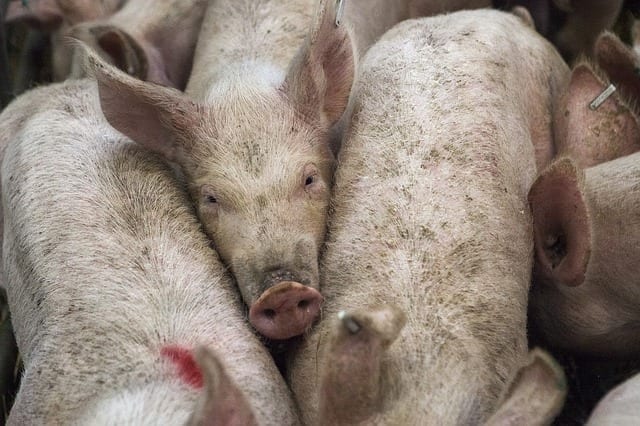 Streptococcus Suis bacteria is maintained in the nostril and/or birthing canal. It is transferred to the piglets and often occurs between piglets 3 to 12 weeks old. It can also be spread through insects (mostly flies) which is why it is so important to properly dispose of any dead pigs that are presumed to have had Streptococcus Suis.
Treatment:
Contact veterinary for best vaccination program. Treatment in piglets contains injections of antibiotics, often penicillin. In adults, vaccinations may be administered, and fluids will be given to prevent dehydration.
Mycoplasmal (Enzootic) Pneumonia:
Signs & Symptoms often include:
- Rough, Dry Cough
- Loss of Appetite
- Difficulty Breathing
- Fever
- Noticeable lung contusion or bruising at time of slaughter
Transmission:
Transmitted from pig to pig by direct contact or through the air.
Prevention:
There are many vaccines that can be administered from birth that provides immunity.
Treatment:
Contact Veterinary for best vaccination program. Treatment is dependent upon the type of swine operation. There are multiple types of vaccines that can be administered to treat Mycoplasma Pneumonia.
Actinobacillus Pleuropneumonia (APP):
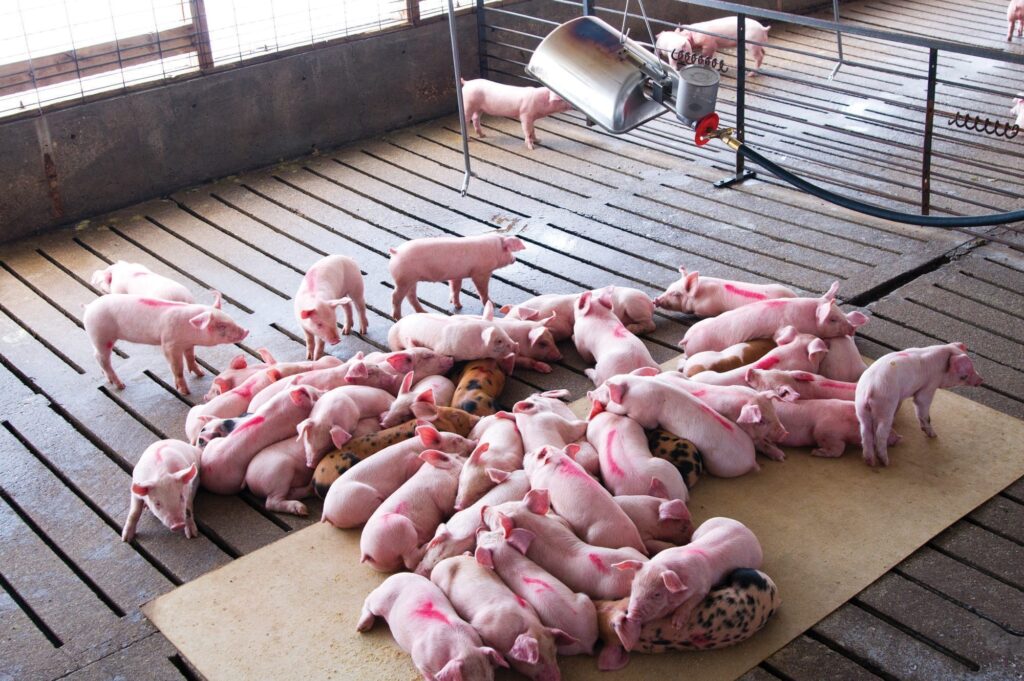
Signs & Symptoms often include:
- Bloody discharge from snout
- Short Coughs
- Difficulty Breathing
- Deep Abdominal Breathing
- Bluing Skin
- Loss of Appetite
Transmission:
Transmitted by pigs with the pre-existing condition. Carriers may be asymptomatic, creating more “at risk” environments for younger pigs that may be sharing the same area. Can also be caused by stress, movement, or nutritional changes.
Treatment:
Contact veterinary for best vaccination program. Antibiotics are usually administered and affected pigs are quarantined.
Bordetella Bronchiseptica:
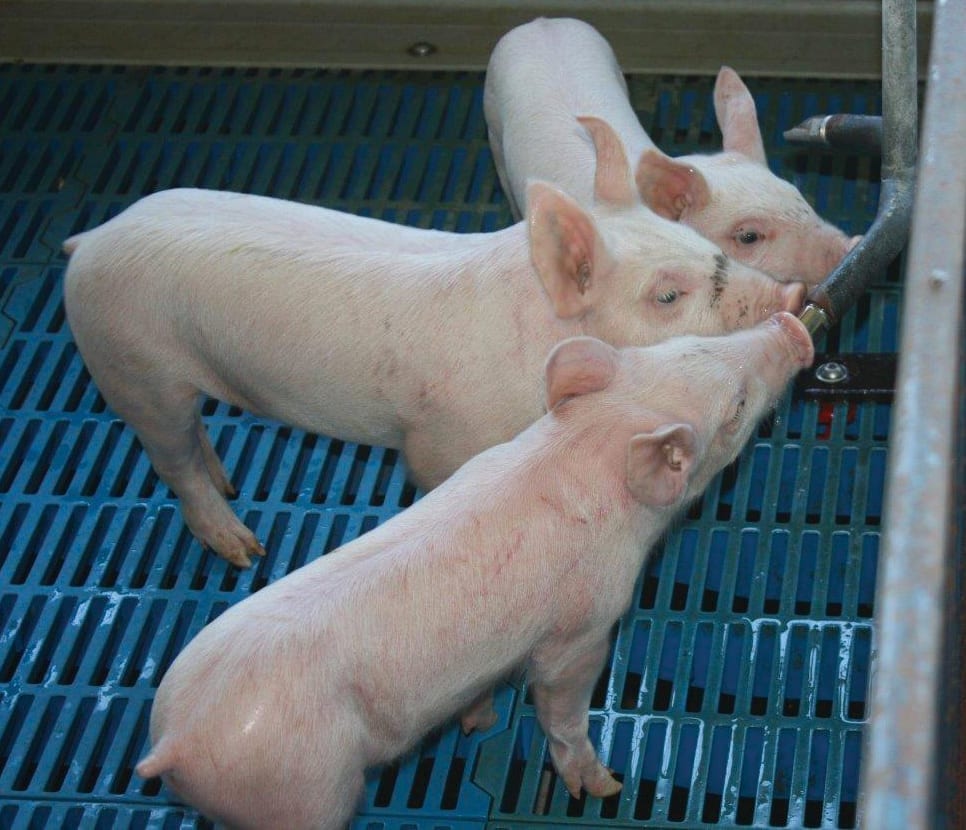 Signs & Symptoms often include:
- Sneezing/Coughing
- Tear Staining
- Excess mucus in the nostrils
- Mild Fever
- Decreased respiratory rate
Transmission:
Through the air by coughing and sneezing. Surface contact through drinkers and feeders. Easily carried from farm to farm and effects many different animals such as farm pets.
Treatment:
Contact veterinary for best vaccination program. Injections are administered. In younger pigs, medication may be supplied orally through drinkers. It is important to sanitize all barn surfaces after a herd leaves the barn.
Porcine Reproductive and Respiratory Syndrome (PRRS):
 Signs & Symptoms often include:
- High Fever
- Loss of Appetite
- Cough
- Lameness
- Shivering
- Diarrhea
- Reproductive Failure (mummified piglets, early birth, stillbirth, etc.)
- *Different signs are shown between sows and piglets. In piglets, it is more of a respiratory disease. In sows it shows more in the form of reproductive issues in gestating sows, and in non-gestating sows its symptoms may not show or be very mild.
- Boars will show loss in libido, fertility issues and inappetence.
Transmission:
Occurs in close contact, as well as through bodily fluids. Possible ways of transmission could be: Nasal secretions, feces, urine, semen, and milk from mother to baby, as well as through birth.
Treatment:
Contact veterinary for best vaccination program. Usually, an antibiotic is administered first, followed up in-feed medications. The earlier PRRS is diagnosed and treated the better. Ignoring the signs and symptoms could lead to increased abortions, stillbirths, mummified piglets, and early birth. Piglets whose parents have been diagnosed with PRRS are typically given shots of antibiotics for 2 weeks after birth.
Swine Influenza Virus (SIV):
Signs and Symptoms often include:
- High Fever
- Cough
- Discharge from the eyes or nostrils
- Difficulty Breathing
- Red eyes
- Loss of Appetite
Transmission:
The swine flu is transmitted by close contact or from surface contact. Vaccinations are available to be given to piglets shortly after birth to prevent herds from contracting this disease. Swine flu can be asymptomatic in herds and may not be detected until much of the herd is infected.
Treatment:
Contact veterinary for best vaccination program. Multiple versions of swine influenza vaccine are available for all stages of the pig’s life.



