
Preventing Barn Fires
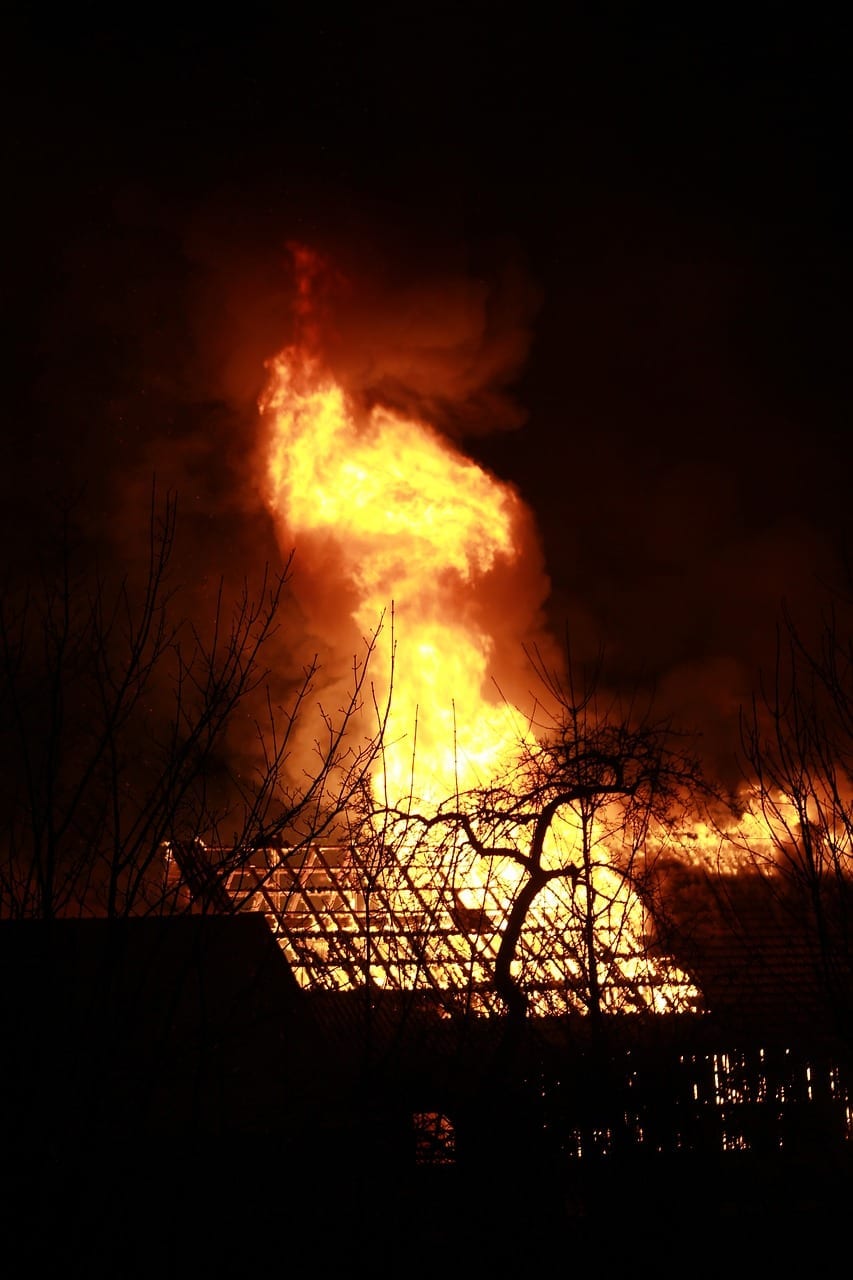 Barn fires wreak havoc in many ways. In addition to the damage to business and livelihood, barn fires are a great danger to employees, neighbors, and livestock. It is crucial to take steps to prevent, as much as possible, barn fires from occurring. Barn fires can be caused by a variety of factors, but there is a prevalence of fires caused by improper use or malfunctioning electrical devices and heaters. It is imperative to maintain equipment properly and install correctly, to prevent such faults occurring.
A 2018 report by Animal Welfare Institute (AWI) researching US barn fires between 2013-2017 showed that around two-thirds of barn fires (reported to the media) were during the colder months, October through March. The main cause was improper use of, or malfunctioning, heating devices, as well as other electrical equipment. In total, around 48% were confirmed or suspected fires due to electronic heating devices, with a further 34% confirmed or suspected other electrical equipment. Other factors included miscellaneous machinery, wildfire, arson, controlled burn and manure explosion.
Always ensure that heaters are safely and correctly installed. Consider installing an additional safety chain to brooders to prevent them from dropping to the floor. Verify the gas pressure is correct. If the pressure is not correct, neither will the combustion be, therefore having the potential to create a soot buildup in the heaters. Soot could then drop to the floor and cause a fire. Additionally, this can also emit hazardous fumes into the barn. For space heaters, it is also recommended to be installed externally, if possible.
Dust build up in the heaters may catch fire, so it is important to ensure heaters are properly cleaned. For brooders, cleaning the emitter properly is important along with cleaning the orifices. If an orifice is not clean, the proper amount of fuel may not be delivered, which once again can cause improper combustion, which is a fire and hazardous fumes risk. The gas train must be free of spider webs and other debris. It is good practice to clean any manifolds and gas pipes as well. Heaters must be hung level and kept a safe distance from combustibles. If a heater is ceiling mounted, it must hang an appropriate distance from the ceiling, as directed by the manufacturer.
Any other motors (fans, feed lines) or electrical equipment must also be kept clean. If dust and dirt builds up on motors, they may not be able to cool themselves adequately and overheat. Most motors have thermal overloads as a built in protection, but if they’re unable to operate properly, the excessive heat could cause the dust to catch fire.
During hotter months, there is also an external fire risk, especially if barns are surrounded by long dry grass. Always make sure to maintain a clear environment and cut grass around the buildings. Storage of manure can be a fire risk too. Fires have been caused by spontaneous combustion of manure that was piled too high. Experts warn that a pile should not exceed 6 ½ to 7 feet high.
The Animal Welfare Institute barn fire report made a series of recommendations for fire prevention. It is recommended to adopt at least one of these practices.
- Install sprinkler systems (most effective but often cost prohibitive)
- Annual inspection by local fire department of fire risks
- Fire Extinguishers to be located on site
- Smoke detectors
- Heat detectors
- Carbon monoxide detectors
- Employee training and routine fire drills. Employees should know how to use fire extinguishers correctly and appropriate action to take in case of fire



