
 Of course every farmer wants all of their animals to live to achieve their full and delicious potential, but despite our best efforts sometimes we may end up with some livestock that is not so, well, alive.
When faced with mortality in the herd or flock a host of issues come up, not the least of which is how to properly dispose of the carcass to prevent the spread of disease, minimize the chance of groundwater contamination, and avoid disturbing the neighbors.
Burial, incineration, composting, and rendering are all suitable ways to dispose of livestock mortalities, but each comes with its own benefits and drawbacks. Burial was the go-to method for many years, but growing groundwater contamination concerns have severely limited this practice. Rendering is a suitable process but requires mortality transport off farm, raising biosecurity concerns from trucks accessing multiple sites in a single trip, possible carrying disease from farm to farm, along with the issue of proper storage of mortalities while awaiting rendering pick up. Because of this, along with changes in the by-product market, rendering companies have high fees or have discontinued service altogether.
Today in the US, incineration and composting are the most popular methods of disposal. Whether one is better than the other often comes down to a matter of opinion, so we’ve outlined below the pros and cons of each method to see if we could draw a more decisive conclusion.
Incineration
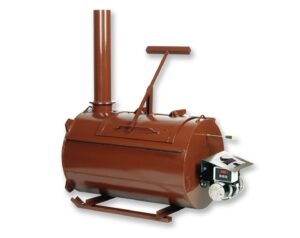 Incineration uses a convection oven that burns at a high heat (>1400F) to reduce carcasses to ash for easy disposal. Arguably the most biosecure method of carcass disposal, it quickly and safely eliminates disease pathogens. The process is both biologically and environmentally sound if using a commercial incinerator – units are often available in diesel, natural gas, or propane and do not cause water quality issues, though there may be some concerns about air emissions. Check with your local DEP/EPA office to verify that the incinerator you might use meets their regulations. Oftentimes a secondary emissions burner is required.
Composting
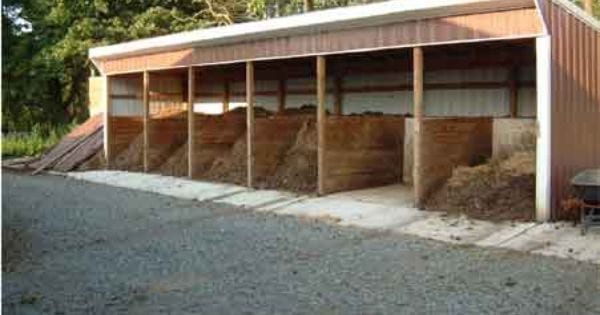
Composting is essentially “burying” above ground with sawdust, or another carbon source, to allow the animal to decay – it’s the controlled natural process in which beneficial microorganisms reduce and transform organic waste into a useful end-product. Carcass tissue is broken down aerobically by bacteria, fungi, actinomycetes, and protozoa to produce water vapor, carbon dioxide, heat, and stabilized organic residue that can be used as crop fertilizer.
Incineration Benefits |
Incineration problems |
|
|
|
|
|
|
|
|
|
|
|
||
|
||
|
Composting Benefits |
Composting Problems |
|
|
|
|
|
|
|
|
|
|
|
||
|
We think incineration wins this one.



