
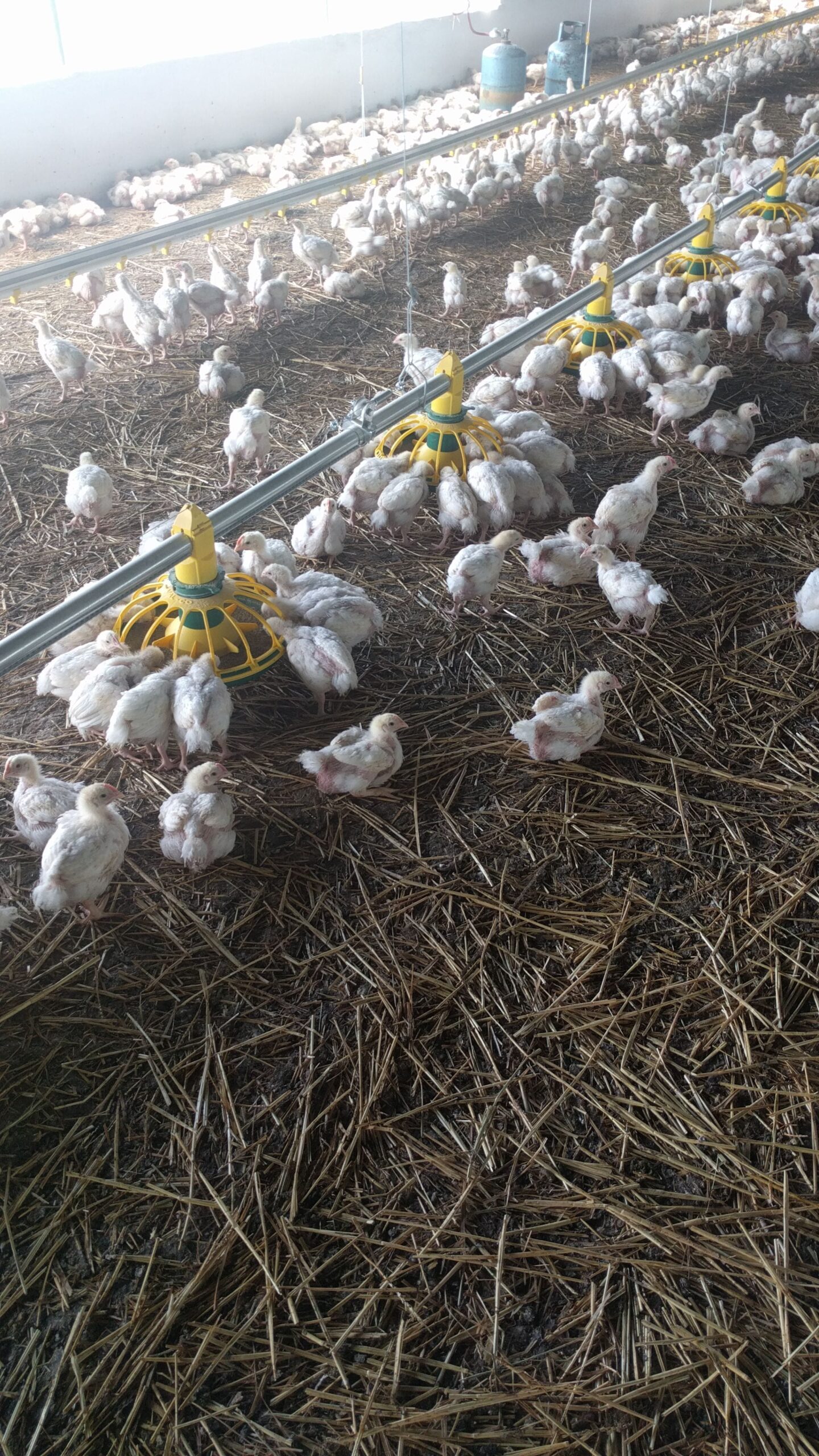
Africa is the second-largest continent in the world both in size and population. As of 2009, about 14.7 percent of the world’s population resides in Africa. As diverse as it is large, over 1500 languages are spoken across the continent. Each country also brings with it a unique culture, economy, and climate. Each of these effects the agriculture industry, and especially poultry farming. There are some large-scale farms that raise millions of birds, but more commonly, farmers live in rural areas and their barns have a capacity of less than 500 birds.
Farmers face many challenges, especially in the context of local infrastructure. Due to a lack of electrical availability, many farmers have simple barns that don’t require electrical power. For example, in layer houses, birds are grown on the ground with suspended feeders and drinkers. Nests are built with cement and eggs are manually collected. Broiler houses use manual feeding and drinking, and naturally ventilated houses. Some use homemade wood feeders.
Numerous problems can stem from trying to use these rudimentary farming techniques on a large scale. For example, when manual feeding, 50 kg (110 lb.) bags of feed are hauled around the barn to fill up the feeders. In the process, much of the feed is spilled on the ground, creating waste, inviting pests, and harboring bacteria. Bell drinkers, if not carefully maintained, create a breeding ground for diseases and algae. And natural ventilation, while cost effective, can’t provide birds with the optimal temperature and humidity conditions that keep them comfortable.
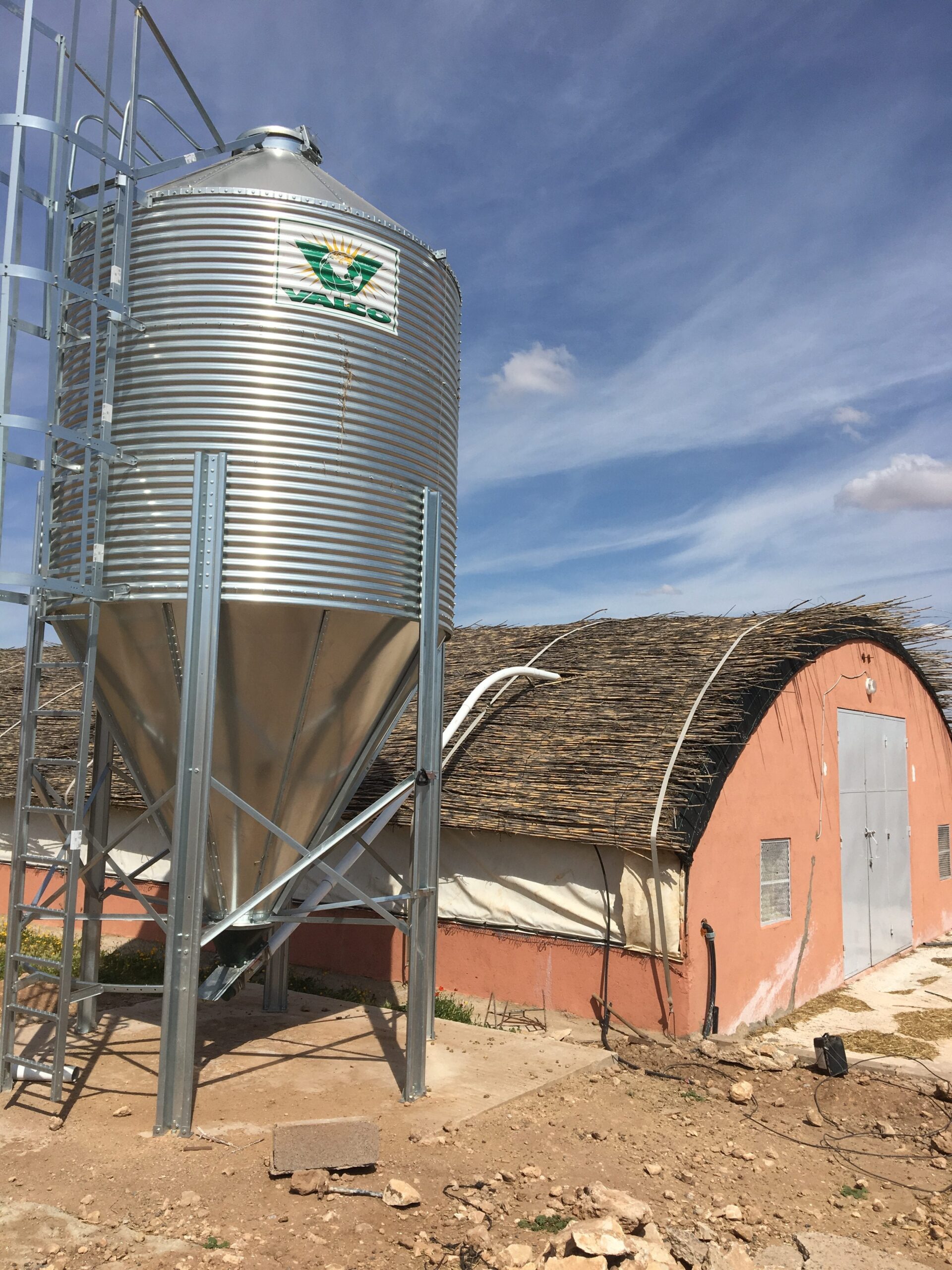
We’ve helped many farmers reduce their labor requirements and improve sanitation by installing automatic feeding and watering systems. Feed manufacturing companies only ship feed in bags, which makes filling the feed bins on the farm difficult, so there are still some challenges to overcome. But overall, farmers are seeing improved production.
VAL-CO is working hard to help farmers in Africa and around the world to develop the poultry industry to the highest standard. We are dedicated to providing support and training to farm managers as they learn how to use this new automatic technology.



