
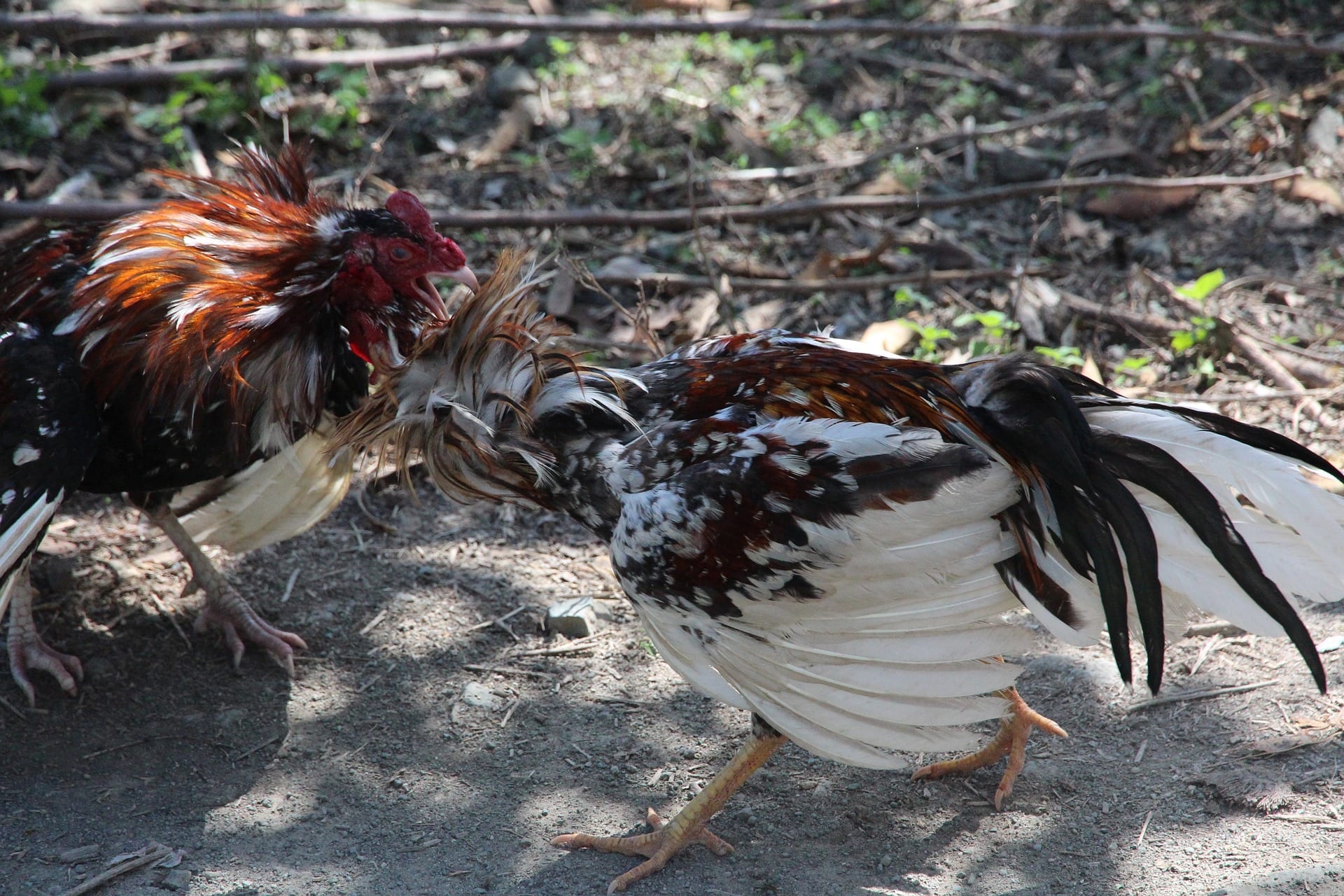
 Cannibalism is the consuming of all or parts of the same species. This is a common occurrence in poultry barns of all different types including cage systems, aviaries, floor pens, outdoor, and free-range flocks. Paying close attention to your flock’s health and behavior is vital to stopping what could be a widespread dilemma throughout your barn.
Chickens are naturally curious animals who investigate their surroundings through pecking with their beaks. The beak of a chicken is used for basically every aspect of its day to day life, from feeding to preening and grooming feathers. Chicks start pecking objects around them at a young age, such as nipple drinkers in find water or the toes of other chickens out of curiosity. Older chickens might begin to pull out flock mates’ feathers out of boredom, but sometimes this is caused by something more severe, like stress. Once a wound is started and the offender has a taste for blood, curiosity can turn into sheer cannibalism.
Cannibalism has been observed in every different type of chicken, although some, such as breeders and layers, are more genetically prone than others. Most cases seem to point the finger towards stress factors that lead to this form of terror – crowding, not enough feed or water, insufficient proteins or lack of salt and phosphorus in the diet. Another major year-round contributing aspect could be inadequate ventilation.
Maintaining harmony within a flock is extremely important. Removing any weak, diseased, dead, or aggressive birds can decrease the risk of a cannibalistic outbreak. Aggression can be triggered by birds seeking social hierarchy amid the flock. Keeping a uniform flock in size, age, and color is important to prevent larger birds seeking out smaller birds to harass.
“Vent Pecking” is the pecking of the cloaca during the laying of an egg. The exposure of the mucous membrane after an egg is laid can intensify the desire of birds to peck. In turn, this can cause a prolapsed uterus and rapid reduction in egg production. Providing adequate space and nesting boxes can reduce aggression in egg laying hens.
Adding environmental enrichments to a barn such as nest boxes, perches, straw bales, or scratch areas could divert attention. Even adding a mash diet instead of pellets will boost natural foraging actions. Production management is crucial to prevent injury and mortality because of cannibalism and reduce the suffering of an entire flock.



