
Predators: Thieves in the Night
By: Joe Berry, Oklahoma State University
Originally published in Exhibition Poultry Magazine.
Playing Detective
In many instances, predators leave clues to their identity when they have visited a poultry house. From these clues, the poultry producer may be able to identify the culprit and take the necessary steps to prevent a reoccurrence.
Dogs:
A dog usually kills chickens for the sport. Several dead birds with much mauling of the carcasses is usually evidence of a dog. Dogs usually visit the chicken pen during daylight hours rather than at night.
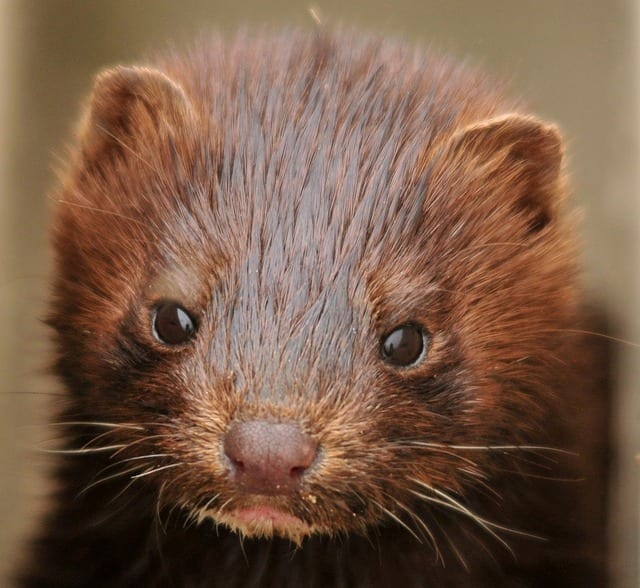 Mink & Weasel:
Birds usually show signs of attack on the sides of the head if a mink or weasel has visited the poultry house. With these predators, several birds will probably be killed and piled neatly together. The back of the head and neck are frequently the only parts of the carcass consumed.
Racoon:
If a predator visits only once each 5 to 7 days and eats the head and the crop of the dead birds, a raccoon is probably responsible. Sometimes more than one bird will be killed at each visit.
Opossum:
The opossum generally attacks only one bird at each visit. Usually, the bird’s abdomen has been eaten. Eggs may also be the object of the opossum’s raid on the chicken house.
Owl
The only likely culprit here is the Great Horned Owl, which does sometimes attack poultry. One or two birds are usually killed, with the talons being used to pierce the brain. The owl will usually only eat the head and neck. Feathers found on a fence post near the chicken house or pen may provide an additional clue.
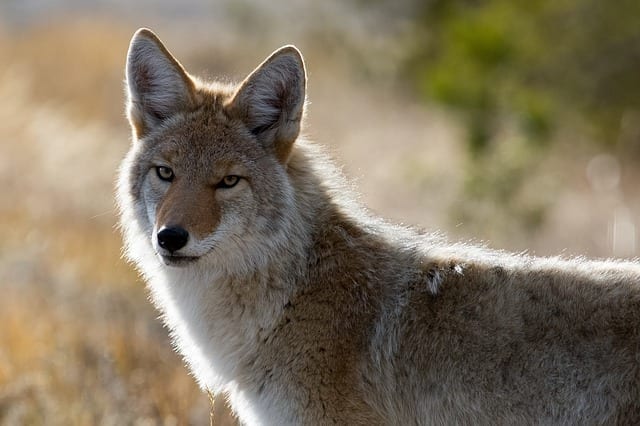 Fox & Coyote:
The old sayings about the sly fox were not by accident. The fox and the coyote are smart and difficult to catch in the act of raiding the flock. Since birds are frequently carried away, with little evidence left behind, the only way of determining losses may be a head count. Visits from these predators will usually be very early in the morning. Keeping birds in a secure pen or poultry house until late morning is a good insurance policy against losses from a fox or coyote.
Skunks:
Skunks do not usually attack adult birds. They may kill a few chicks and eat the abdomen. Eggs may also be the targets. If skunks have been in the poultry house, the odor is usually a clue.
Humans:
Unfortunately, there can be problems from people, as well as animals. If birds are missing with very little evidence, particularly from a predator-proof pen or house, the possibility of humans being involved should not be overlooked.
Preventing Repeat Visits:
Determining the identity of the predator is essential in preventing repeat visits. Once identification has been made, appropriate steps can be taken. Eliminating the point of entry is the first deterrent and eliminating the source of the problem – by trapping or other means – is the second. Trapping should be done properly to minimize the chances of catching an innocent animal.
In need of a large animal trap? We can help! Our Safeguard line of traps are available in a range of sizes to help eliminate predators up to a large dog size, or rodents down to the smallest of mice.



