
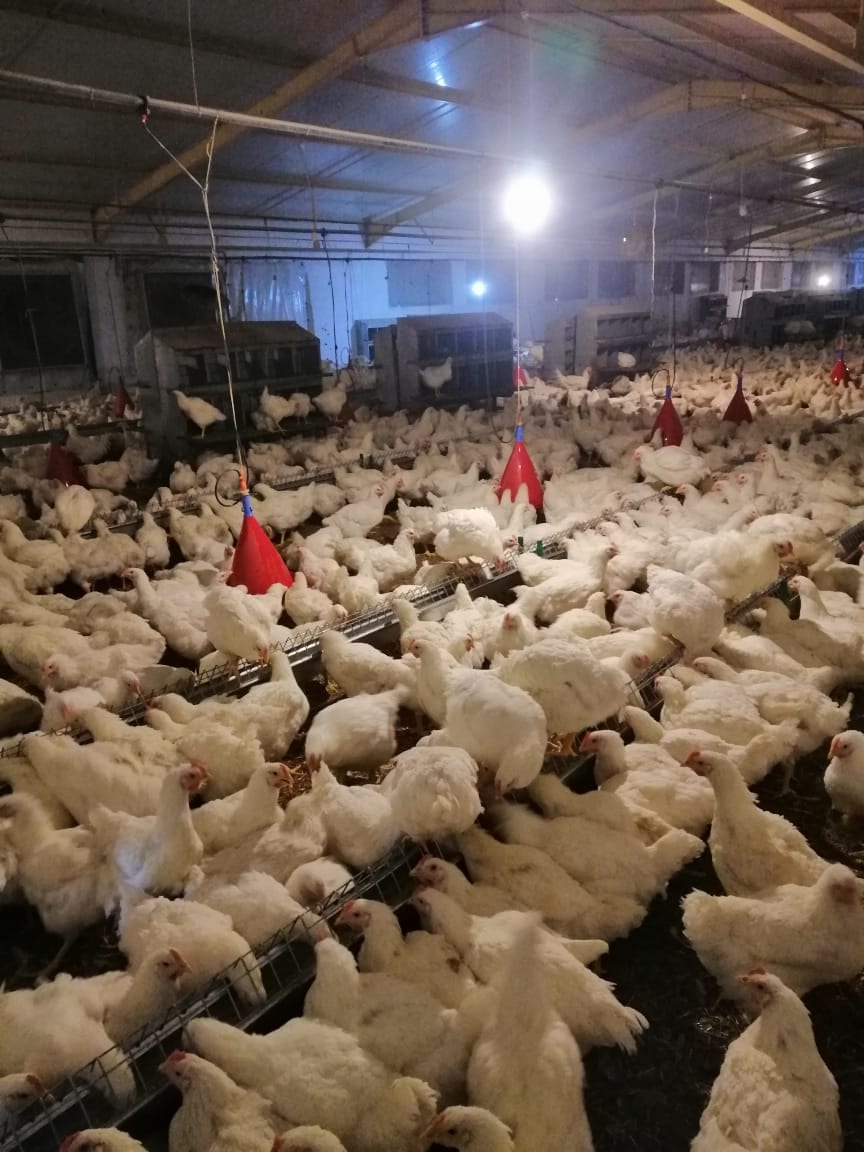
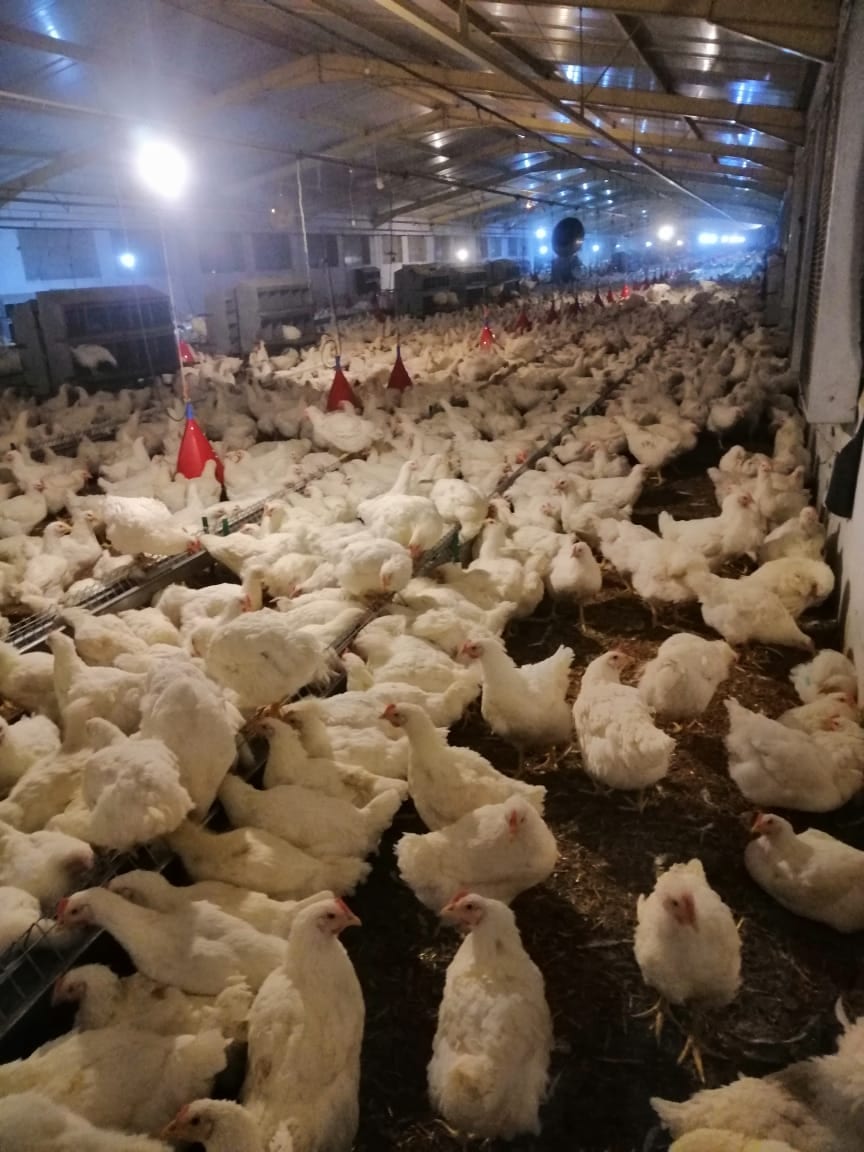
 Plumage, or feathering, on chickens serves to provide insulation and protection. When the feathering is compromised, it effects more than just birds’ appearance. Hens with poor plumage struggle to be productive.
As an insulator, feathers help birds to maintain their warmth. Balding birds have to consume more feed in order to increase their thermal output. One study found that core body temperature in poorly feathered birds begins to fall at between 15 and 20 °C, and the temperature on the skin of the back was significantly lower at 20 °C and below, but the comb temperatures did not differ. Because hens are consuming energy to stay warm, rather than energy to lay eggs, the feed conversion of the flock decreases.
Feathers also provide a layer of protection, especially during mating. Balder birds are more susceptible to wounds, such as scratches and skin damage, during mating. Repetitive association to pain during mating may result in avoidance problems. Hens that are avoiding mating may reduce the overall flock fertilization rate.
The two most common causes of bad plumage are:
- A high ratio of males at the start of lay
- Lack of feeder space (length and/or depth)
This study found that in two barns, with the same male ratio, but a difference in feeder space, that the barn with less feeder space had worse feather scores. This leads us to assume that the more significant contributor to poor feathering is competition at the feeder.
Hens are accustomed to eating as fast as possible and fighting to a chance to eat more. It’s an unfortunate side effect of the nature of maintaining bird weight. However, the aggression, pushing, and climbing has been shown to reduce bird plumage. Increasing the feeder space, and thus easy access to food, reduces the competition at feeding time, since everyone has a seat at the table.
If your birds seem sparsely feathered, consider adding more feed trough or feed pans. You might also start to see more eggs.



