
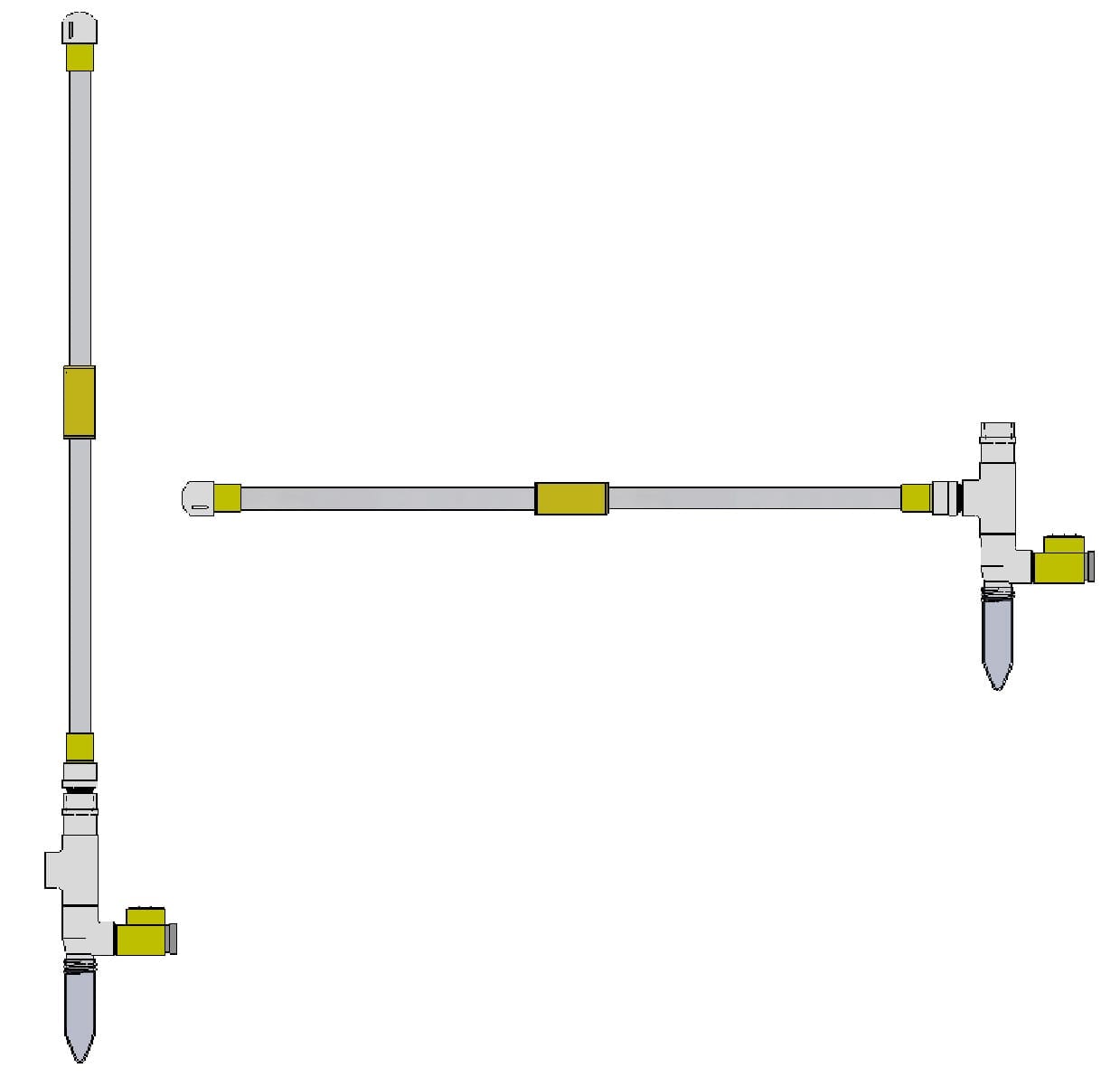
The Val Lott Stick is a great tool to help you measure flow rates through your Val Nipple Drinker System. It’s always important to know exactly how much water is being delivered to your birds, and having a log of flow rates will help you notice problems early on. Water supply, water pressure, dirty or clogged lines, and water additives that erode equipment can all cause a change in flow rates, so monitoring drinker performance can help you remedy the issue before the cost is too great.
Here’s how to collect VAL-CO Nipple Drinker flow rates using the Val Lott Stick:
- Ensure the Val Lott Stick is assembled in the correct configuration for either cage or floor watering lines.

- Identify what type of VAL-CO nipple drinker is being tested. Verify water is coming out of the nipple and record the standpipe (sight tube) water column height or pressure.
- Have a time-keeping device, such as a cell phone or watch, accessible when checking flow rates.
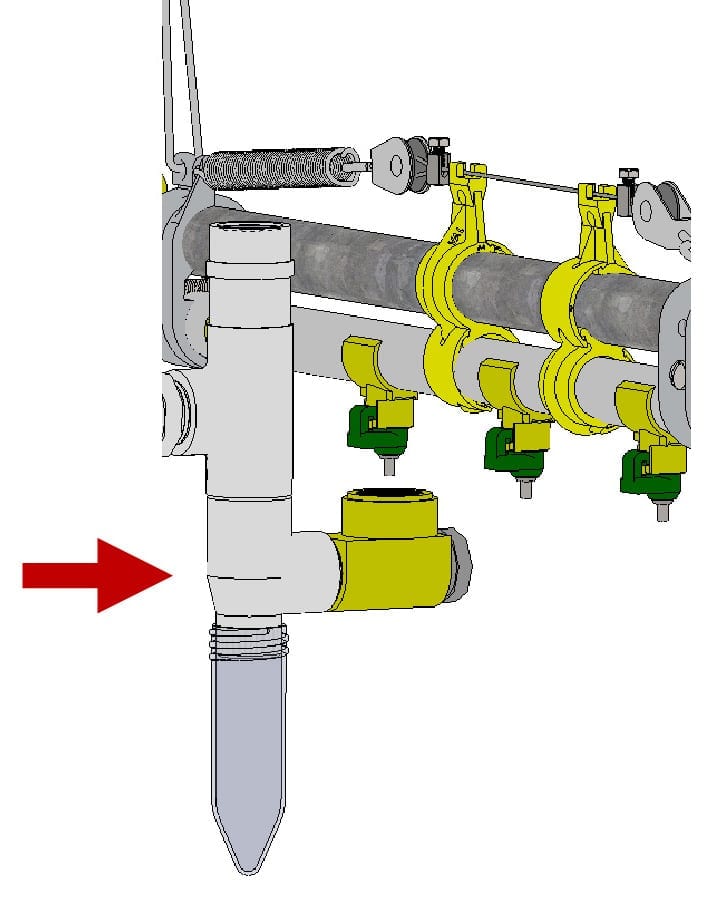
- Take hold of the Lott Stick by the square handle so that the round metal screen is facing upwards.
- Hold the round metal screen on the Lott Stick under the nipple drinker you plan to check flow rates from.
- Set a time for one (1) minute.
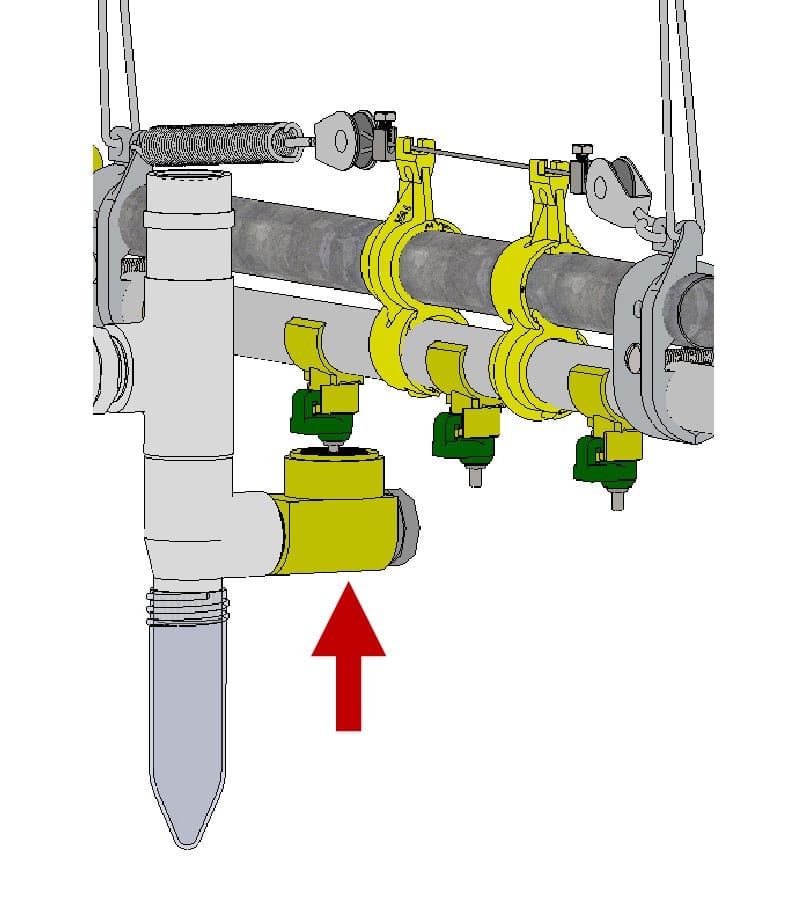
- Start the timer and press the round metal screen on the Lott Stick upward against the metal nipple drinker pin.
- Allow the water to flow through the round metal screen into the collection container for the duration of the time period. Note: If the collection container overflows during the testing period, reduce the duration of the test from one minute to 30 seconds.
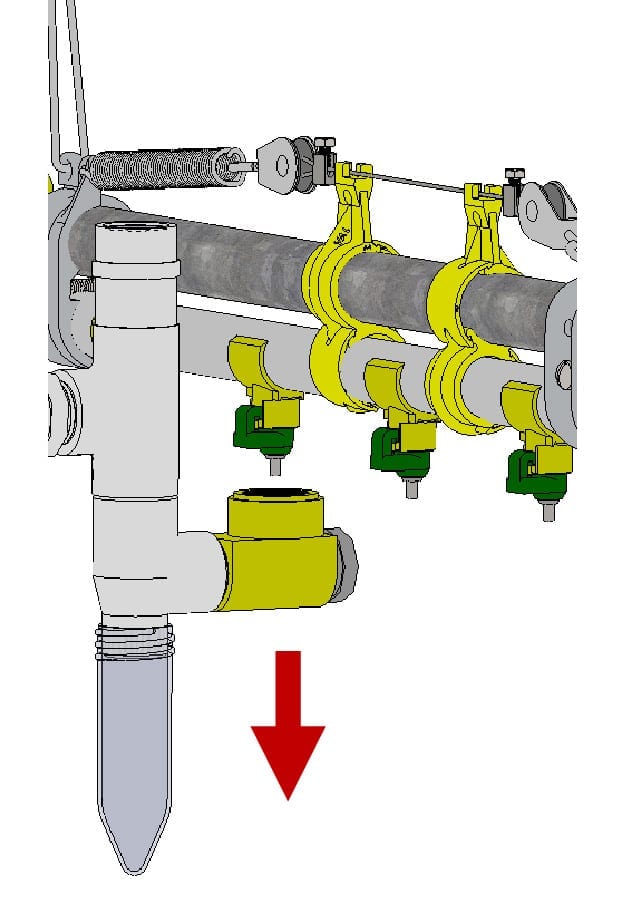
- Once time has expired, carefully and quickly lower the Lott Stick away from the nipple drinker, allowing the drinker to seal.
- Remove the collection container from the Lott Stick and record the volume reading. Note: The collection container reads in millilitres (mL).
- Takes the volume reading from Step 10 and divide by the time in minute from Step 6. This will provide a nipple drinker flow rate in millilitres per min for the drinker at the given standpipe pressure from Step 2.
- Example: There are VR150 Roaster Nipple Drinker on your water line. The standpipe (sight tube) water column height from the center of the water pipe measures 20 inches. The volume of flow after 30 seconds (0.5 minutes) is 27 mL. The flow rate would be 27 mL/0.5 minutes = 54 mL/minute.
- Repeat Steps 2-11 for all nipple drinkers to be checked.
VAL-CO recommends checking multiple nipples along each watering line to be sure of consistency in flow rates along the length of the line. Inconsistencies may be attributed to sloped lines or air locks, but both will detrimentally affect flock performance.



