
Tips for Organic Bird Operations
 Organic chicken has gained popularity over the last few years for consumers. The grain that the feed is made from comes from certified organic farmland which follows strict guidelines on growing grain, such as how and what can be put on the fields for fertilizer and weed prevention. These fields take years to become certified organic.
Integrator also have strict guidelines on what can be put in the feed for coccidiosis control. Many are using a vaccine on day one at the hatchery when the birds are processed, before they are taken to the farm. There are also guidelines for what can be used inside the house for disinfection, darkling beetle control, and ammonia reduction, as well. The out times between flocks are typically a little longer than conventional raised birds to help offset some of these hurdles. As you can see, with these strict guidelines it can be a little tougher to get birds to perform if you don’t stay on top of your management game. I have compiled some bullet points that could help you achieve better performance for your organic bird.
- Strict Biosecurity:
- Know who is coming on your farm at all times. Designated footwear for farm only. Have stations set up to disinfect shoes going in and going out of houses.
- Disinfect after every flock:
- Keep equipment, ceilings, sidewalls, etc. clean of dust and cobwebs.
- Litter Prep:
- Proper litter preparation (windrowing, decaking) before the flock comes in will definitely help to keep ammonia levels down. During the flock do your best to keep floors dry as this will help keep bacterial and ammonia levels down, as well.
- Run Min Vent Fans:
- Run minimum ventilation fans during out times to lower ammonia levels before birds arrive.
- Flush:
- Flush all drinker lines and trigger all nipples before chicks arrive.
- Monitor Feed Waste:
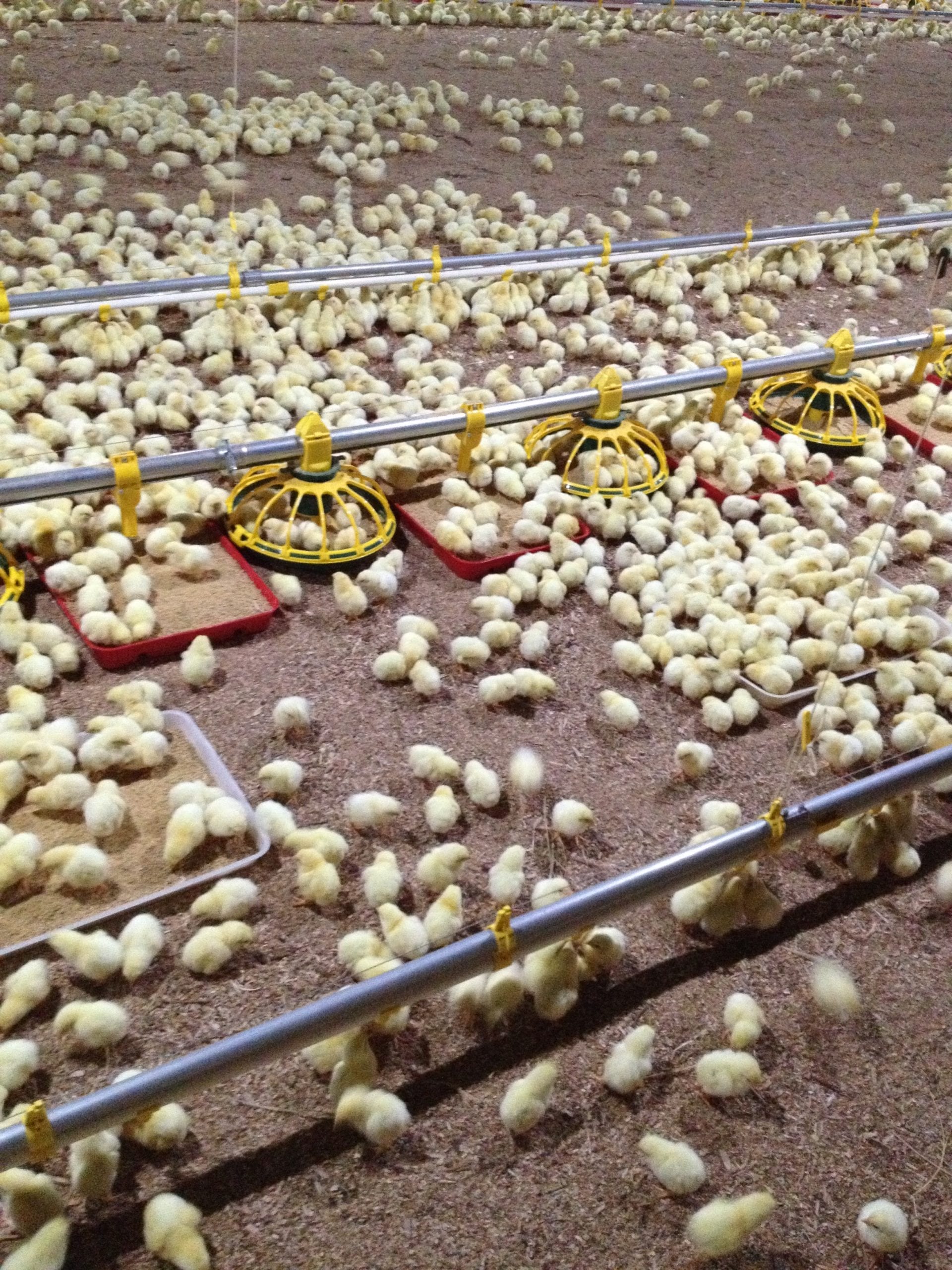
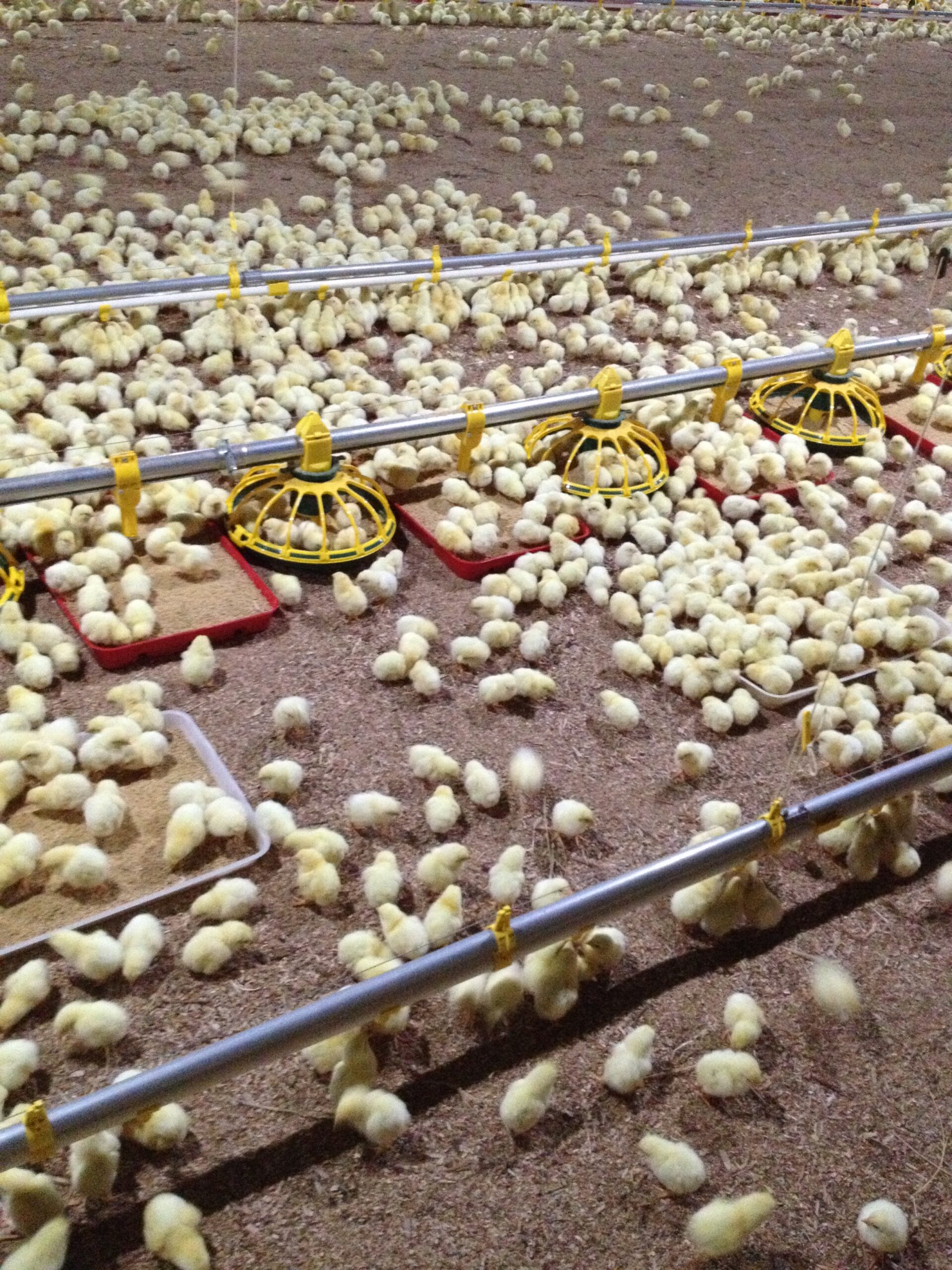
- Feed wastage will only help the darkling beetle population to grow. Monitor this closely especially during the brooding stage when feed pans are in flood and supplemental trays are in use.
- Maintain fill system and control pan to ensure no feed outages. If these birds come down with gut health issues, such as necrotic enteritis, this could really hinder the flock’s performance as there are not many medicinal methods you can give these birds and keep them organic certified. Ensuring feed is consistently available reduces risk for NE and other gut health issues that are difficult to treat in organic operations.
In closing, these tips could be used on any bird operation, but I feel these are key tips if followed for your organic program will definitely help boost performance.



