
 It’s easy to forget the importance of the water supply when the power is running and the pump is working; when water is coming into the house. The increasingly hot weather only highlights the importance of having an adequate amount of water available to help birds regulate their temperature.
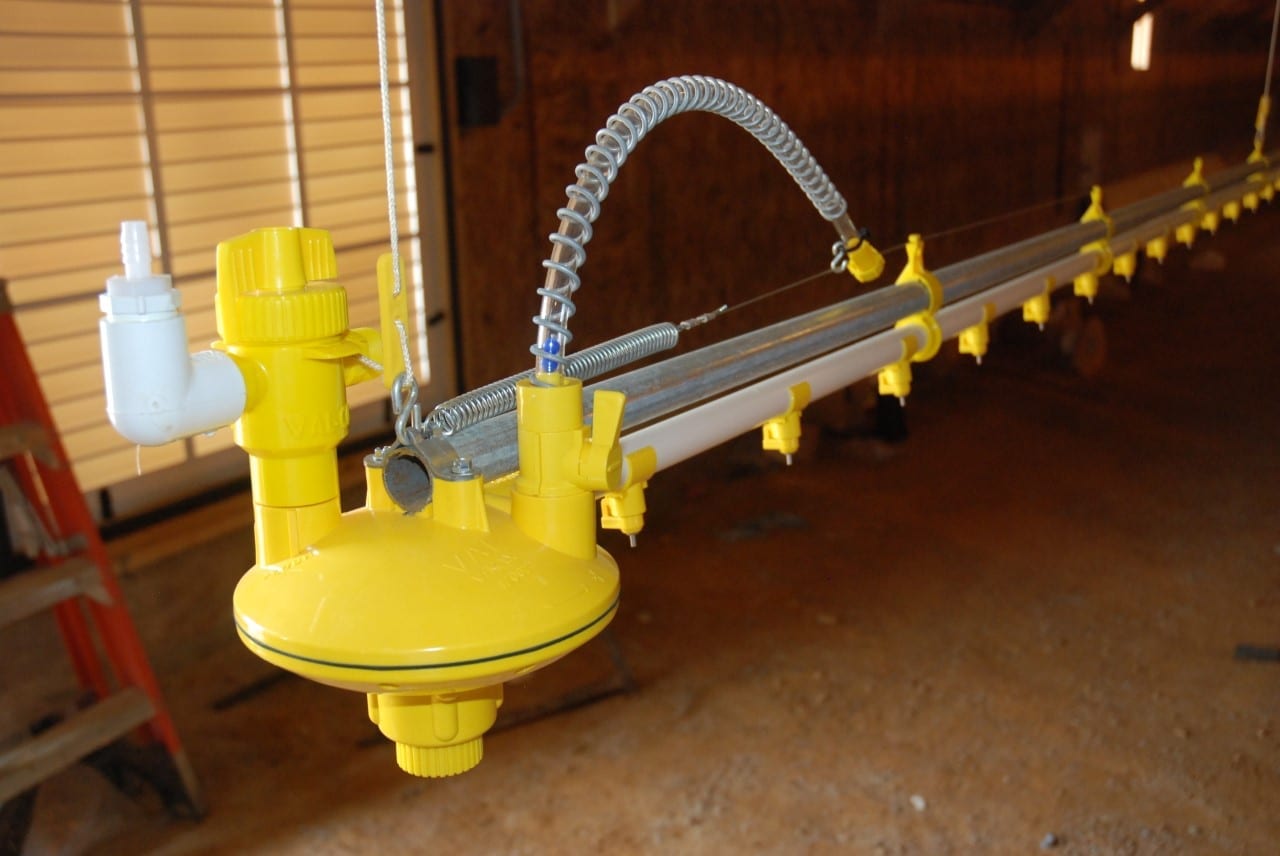
Two factors affect the availability of water in the house: Water pressure and water volume.
Water pressure is the amount of force needed to get water where it is going, and water volume is the amount of water needed to meet the flock demand.
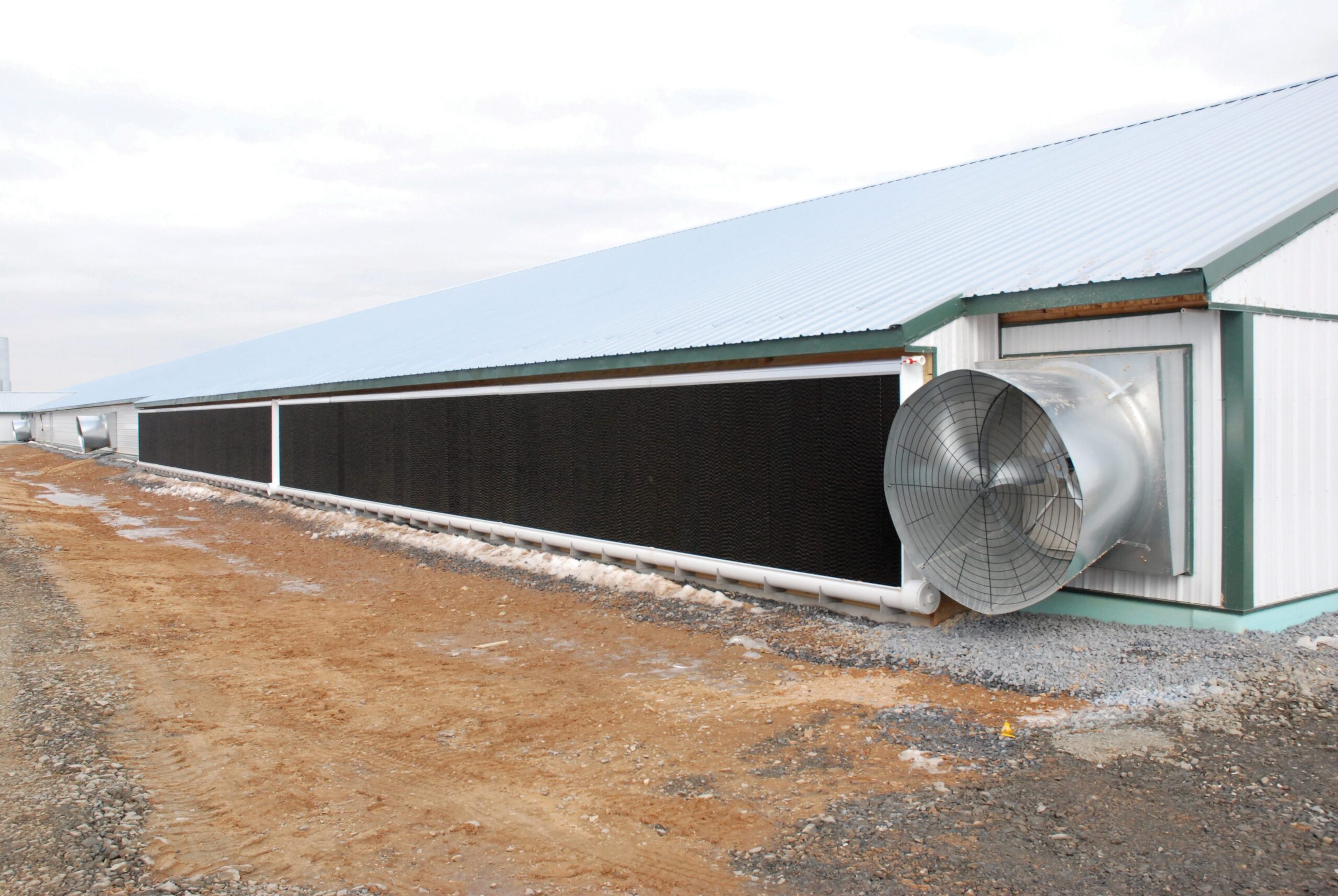
Water supplies birds, but also cool cells, foggers, or sprinkler systems, so it is imperative that there is enough water, especially in hot weather. There may be enough water in total, but an undersized pump or supply line won’t move the right amount of water to where you need it.
Integrators generally have guidelines on how many gallons per minute the water supply must deliver. To know if you are meeting that requirement, you should know the size of the supply line from the well to the chicken house, and the size of the pump in the bottom of the well.
During peak season, houses require about 3 gpm for drinking and 9 gpm for cooling. A 2” supply line can move about 48-50 gallons per minute, which will prove inadequate if the house requires 60 gallons per minute. Similarly, a pump sized too small, even if the line is sized appropriately, will still fail to meet the water delivery requirements.
The 5 Gallon Bucket Test
This test is a quick way to estimate how much water is coming into the house.
- Fill a 5 gallon bucket with water from the control room
- Time how long it takes to fill
- 5 gallons in 10 seconds = 30 gpm
- 5 gallons in 15 seconds = 20 gpm
- 5 gallons in 30 seconds = 10 gpm
Things that affect water pressure and volume:
- Poor site planning
- Undersized main lines and water meters
- Changes in elevation
- No municipal supply or insufficient well capacity
- Failure to maintain drinking systems
- Not checking water availability before building
- Too many houses for amount of water available
- Addition of houses or retrofits beyond the water supply capacity
- Failure to regularly test water supply
- No back up plan if something goes wrong
Avoid some of these pitfalls by having your water supply tested annually. Make sure multiple wells are connected so that all the barns still have enough water, should something go wrong. Take care to clean, disinfect, and repair the water system regularly. And be aware that larger birds require more water, old houses may have old pipe systems, and new builds may require an additional water source.



