
 Escherichia coli, or E. coli is distributed among poultry of all ages. The Escherichia bacteria is a natural inhabitant of the gut in poultry and most other animals. Normally, it is kept in check by other bacterium in the gut, but if large colonies form it can cause severe discomfort, illness, and mortality.
E. coli is opportunistic in nature and will grow rapidly in times of stress. In poultry houses, E. coli, commonly referred to as colibacillosis, is spread through fecal contamination. Initial exposure may occur in the hatchery from infected or contaminated eggs, but infections are commonly triggered by immunosuppressive diseases such an Infectious Bursal Disease, Marek’s Disease, or Chicken Anemia. Avian colibacillosis primarily affects broilers between 4-6 weeks of age, often causing respiratory distress, reduced appetite, and poor growth. Further attributed to the respiratory infection is cellulitis, an infection under the skin.
Colibacillosis infections can become a problem due to poor husbandry. If birds are not allowed regular access to clean fresh feed and water, and if litter is allowed to remain wet due to poor ventilation, the bacteria will spread rapidly throughout a house via fecal contamination and respiratory mucous.
E. coli Symptoms:
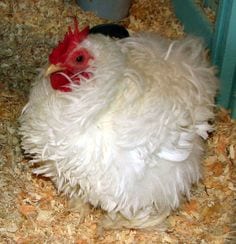
Signs are nonspecific and vary with age, organs involved, and concurrent diseases. Signs may include listlessness, ruffled feathers, depression, decreased appetite, cough, and labored breathing. Yellowish colored droppings, diarrhea, and soiled vent openings are also common in more severe cases.
E. coli Prevention:
The best way of reducing the potential impact of an infection is to reduce the amount of environment and health stress on the bird. Employ proper ventilation so that litter stays dry. Provide adequate feed and water so all birds get their fill. Reduce and prevent bird exposure to other pathogens by practicing strict biosecurity measures.
E. coli Treatment:
E. coli responds in varying degrees to antibiotic treatments such as tetracyclines and sulfa drugs. Many strains are resistant to these, but moderate therapeutic success may be achieved. Be sure to quarantine sick birds for the duration of their treatment so that other birds are not also infected. Because treatments are overall ineffective, prevention is the best way to go.



