
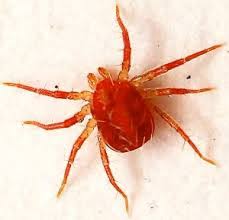
 Red poultry mites are one of the most common external parasites to plague commercial egg flocks and backyard birds alike. They are a common vector of pathogenic diseases, but are arguably a bigger problem on their own.
The two-week life cycle of the red mite means they reproduce rapidly. They prefer high heat, high humidity conditions and can go up to nine months without feeding on a host. Despite its name, the red poultry mite can be white, grey, black, or dark red depending on how recently it fed on blood. It also feeds on more than just poultry. The mite can be found on over 30 different species of birds, dogs, horses and even humans. Therefore, the mites are transmitted from one vector to the next through an infected host – wild birds, rodents, dogs and cats, humans, or even equipment.
Red mites are nocturnal and often go unnoticed because they hide in the building cracks and crevices during the day when farmers are onsite to observe the birds. Initial signs of infestation are subtle, but the problem rapidly presents itself. Chickens will develop anemia, increased feather pecking, and try to change their roosting and sleeping patterns. Anemia causes pale combs and wattles, general dullness and weakness, but more importantly, a drop in egg production.
Prevention & Treatment
- No access from wild birds
- Seal cracks and crevices
- Use diatomaceous earth in corners and dust baths
- Wash and disinfect barns between flocks
- Provide a dust bathing area with sand or other course materials
Do not use Sevin Dust or a similar product on or near birds.
Prevention is always best. Be sure to practice a regular biosecurity program to keep mites from arriving at the farm. Control rodent and pest load and prevent wild birds from coming into contact with the flocks whenever possible. Regular cleaning and disinfection of the house between flocks will prevent mite infestations from getting out of control. When in doubt, ask your integrator or extension office for direction.



