

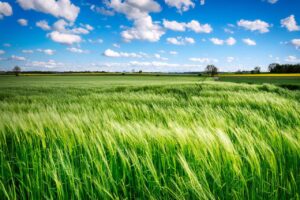
 Agriculture often gets a bad rap when it comes to environmental protection. There are many practices available to farmers that are great for both farmers and the land they cultivate.
Sustainable agriculture practices put tremendous focus on preserving and improving soil health. These practices include crop rotation, cover cropping, and no-tillage practices. The use of compost as a fertilizer can help improve soil fertility naturally.
These sustainable practices expedite the topsoil formation process and can prevent soil erosion. Soils rich in organic matter and flourishing with life also contain greater concentrations of natural enemies of pests and support the growth of resilient crops. Soils that grow vegetation with deep roots help to held the soil together.
Healthy soils can sequester carbon from the air. Growing crops adds oxygen to the air. As plants photosynthesize, they pull carbon dioxide from the air. Soils have a natural carbon carrying capacity which increases when soils are managed with minimal disturbance.
In rotational grazing systems, animals help store carbon in the soil. Through grazing for a limited time in one area, biodiversity of native plants increases because grasses have time to regrow equally without one species taking over and becoming invasive.
When sustainable agriculture systems work on concert with nature, it creates diverse natural habitats. Open meadow habitats benefit waterfowl, amphibians, and pollinators. Open farm fields, like those used for corn or soybean, have allowed populations of whitetail deer to thrive.
Maintaining land for agriculture can prevent that land from being used for development and urbanization. It’s important to continue to protect these lands so that we can continue to feed our people healthy food and protect our native species.
 Everyone can get involved in helping to protect the environment. Plant a tree (or more!), let your grass grow, use less plastic, or compost your table scraps. Every little bit helps!



