
Öffnet in einem neuen Tab

Winter Blues: Diseases to look out for

November 2, 2018
•
by Ericka Mongeau

We’re coming into winter, and humans are not the only animals spreading germs and catching colds. Your birds are doing it, too. Unfortunately, there is no escaping a sick neighbor in the poultry house. We help our feathered friends out by practicing good biosecurity, but disease can still find its way into a flock. To…

We’re coming into winter, and humans are not the only animals spreading germs and catching colds. Your birds are doing it, too. Unfortunately, there is no escaping a sick neighbor in the poultry house. We help our feathered friends out by practicing good biosecurity, but disease can still find its way into a flock.

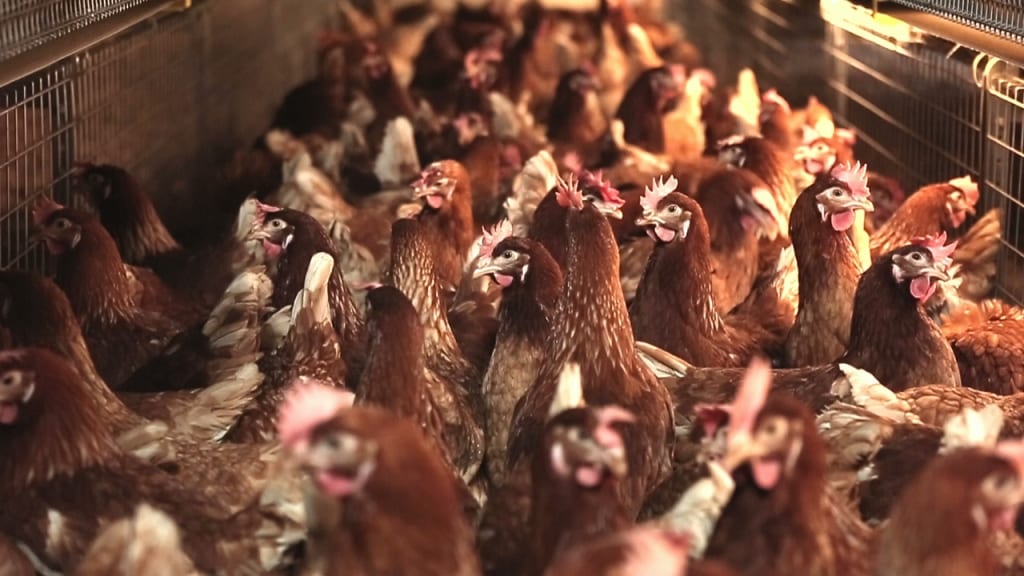
To effectively identify the presence of a disease, you first have to know what a healthy bird looks like. A healthy bird will:

  • Stand upright with head and tail elevated
  • Have bright red combs and wattles
  • Alert eyes
  • Clean nostrils
  • Waxy scales on legs
  • Smooth, neat feathers
  • Be the ideal weight for the age and breed
  • Have the appropriate colored skin for breed

There are many diseases and illnesses that can affect a poultry flock, but some can be more traumatic than others. Avian Influenza, Newcastle disease, and Necrotic Enteritis all often end in elevated mortality and should be reported to your local veterinarian and authority if you suspect them in your flock. Some signs to look out for:
Avian Influenza

  • A lack of coordination
  • Purple discoloration of wattles, combs, and legs
  • Soft or misshapen eggs
  • Lack of energy or appetite
  • Swelling of head, eyelids, comb, wattles, and hocks
  • Nasal discharge
  • Sudden death with no signs

Newcastle

  • Gaping beak, coughing, sneezing, gurgling
  • Tremors paralysis, twisting of the neck
  • Diarrhea, yellow-green feces
  • Lack of appetite

Necrotic Enteritis

  • Sudden spike in mortality
  • Decreased water intake
None of these diseases are good for your bottom line, and as we enter flyover season for bird migration it becomes increasingly important to minimize wild birds on the farm. We’re not playing favorites, but if you want to try a novel approach you could hire raptors to patrol your farm.  Check it out here.
 

Similar Posts

VieW Alle Beiträge
Val-co Placeholder Image

Grower Spotlight – Darrius Tompkins

In der sanften Landschaft Georgiens, wo rote Lehmwege an Weiden und Pinien wachsen, hat Darrius sein Leben rund um die Hühner aufgebaut. Er lebt dort mit seiner Frau und ihren Kindern und hält Hühnerstämme mit der Sorgfalt, die nur aus echter Leidenschaft entstehen kann.

VAL-CO® und ONCE® (von Signify®) unterzeichnen exklusives Partnerschaftsabkommen

VAL-CO® und ONCE® (von Signify®) unterzeichnen exklusives Partnerschaftsabkommen. VAL-CO® und ONCE® (von Signify®) freuen sich, ihre exklusive Partnerschaft bekannt zu geben – die revolutionäre Optient®-Gradientenbeleuchtungssysteme bringen die Branche der Geflügelhaltung in den USA und Kanada durch ausgewählte Vertriebspartner von VAL-CO®. Optient ist ein patentiertes Gradientenbeleuchtungssystem, das sich auf die Optimierung der Tiergesundheit und der Produktivität konzentriert.…

Infografik: Die Umwelt in Geflügelhäusern mit minimaler Belüftung



