
 Whether you are raising breeders or layers, floor eggs can become a huge problem. They require more labor to gather, they can be rife with contamination, and they could lead to much larger issues, like egg eating. To keep production up, and effective, we need to give the hens every possible reason to lay their eggs in the nest. So here are five tips to convincing your hens to do just that.
- Don’t use too much litter.
- Ideally, about 1” will be adequate (in layer operations anyway). It lets hens scratch and dust bathe, but it’s not deep enough to be scratched into a nest.
- Give hens ample time to get accustomed to nest boxes before the onset of lay.
- Birds naturally want to lay eggs where they feel secure. Giving them a few weeks to learn their surroundings and where nest boxes are located will encourage them to go to the nest to lay.
- Yell at them profusely.
- Hens understand English. Don’t let their wild skwaking and shrieking mislead you. Yell at them every morning to get back in the nest when laying their eggs.
- Note: maybe yelling is a tad much, but you should be walking the hen house two to three times a day for the first two weeks of lay and rousting any birds that are brooding or nesting anywhere except in the nest boxes.
- Collect floor eggs frequently.
- They’re going to happen. But birds will lay where other birds have laid, so collecting the eggs from the floor and placing them in the nest box will encourage other hens to lay in the box, rather than on the floor.
- Provide adequate lighting.
- Hens like to lay in dark places, so providing adequate lighting in the scratch areas will reduce shadows, and floor laying.

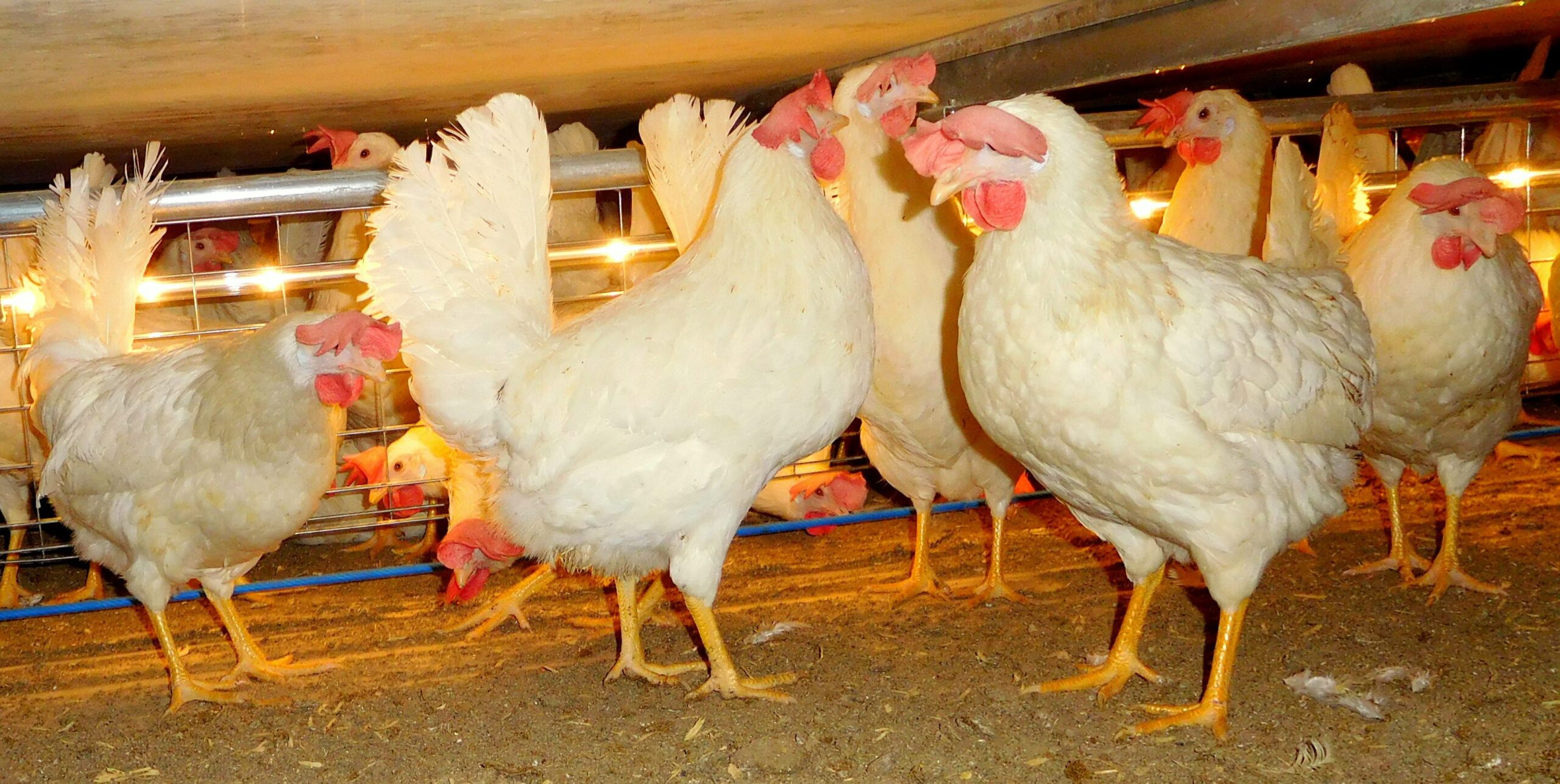
Well trained birds not laying floor eggs.
- Hens like to lay in dark places, so providing adequate lighting in the scratch areas will reduce shadows, and floor laying.
- Have enough next boxes.
- Hens don’t want to fight for space, so if they can’t find room in the box, they’ll find room on the floor.
Need more egg advice? We’re happy to oblige. Subscribe to our blog below.
Raising cage-free birds and need some guidance? We have a white paper for that.



